4-Hydroxybenzaldehyde → HCID 178502732, Verbindung
Reaktionsgleichung

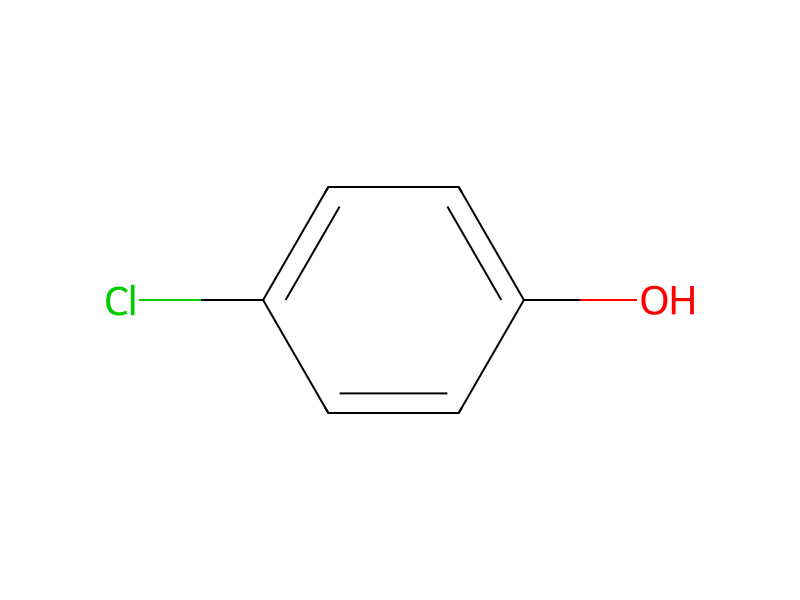
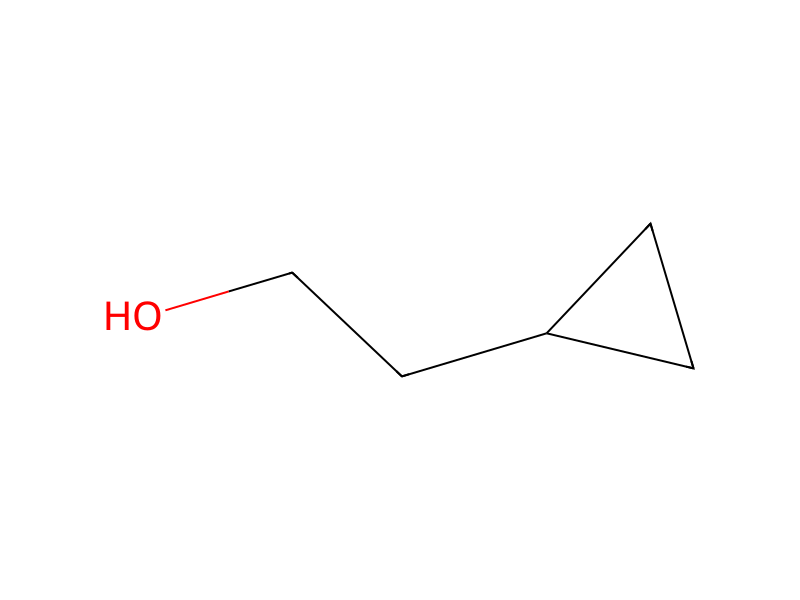
C1(CCO)CC1.OC1C=CC(C=O)=CC=1.[OH:16][C@@H:17]1[CH2:22][CH2:21][C@H:20]([C:23]([N:25]([O:27][CH3:28])[CH3:26])=[O:24])[CH2:19][CH2:18]1.[Cl:29][C:30]1[CH:35]=[CH:34][C:33](O)=[CH:32][CH:31]=1>>[Cl:29][C:30]1[CH:35]=[CH:34][C:33]([O:16][C@H:17]2[CH2:22][CH2:21][C@H:20]([C:23]([N:25]([O:27][CH3:28])[CH3:26])=[O:24])[CH2:19][CH2:18]2)=[CH:32][CH:31]=1Komponenten
5



Versuchsvorschrift
Instead of 2-cyclopropylethanol and 4-hydroxybenzaldehyde, the compound (850 mg) obtained in step (1) above and p-chlorophenol (700 mg) were respectively used and treated by the same technique as in Reference Example 11-1 to give trans-4-(4-chlorophenoxy)-N-methoxy-N-methylcyclohexanecarboxamide as a colorless solid (458 mg).
Aufarbeitung
- additiontreated by the same technique as in Reference Example 11-1
Quellen und Nachweise
- ORD-Eintrag
- ord-5f8512c94ce1462984e7d6e8349f2b9d
- Quelldatensatz
- uspto-grants-2016_08
- Patentnummer
- US09422240B2
Notizen zur Reaktion
Wird geladen…