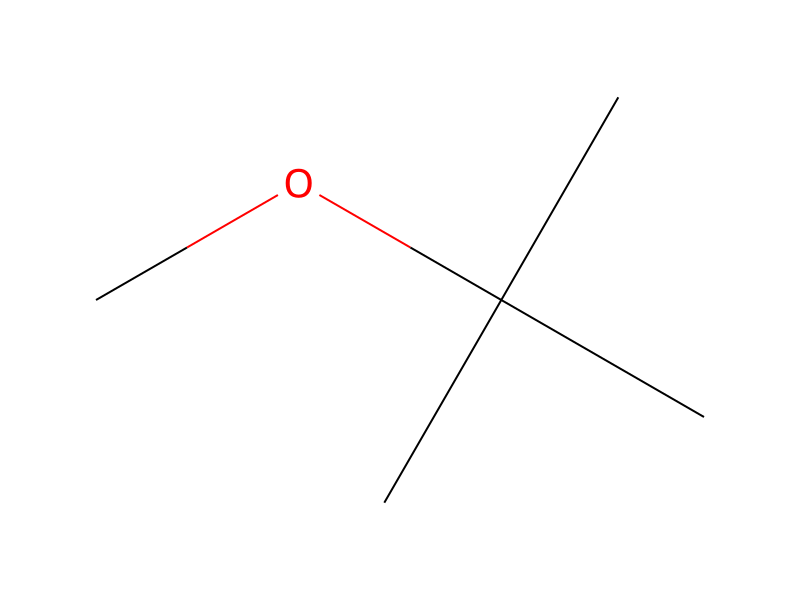
[OH:1][C:2]1[N:7]2[N:8]=[C:9]([CH3:16])[C:10]([C:11]([O:13][CH2:14][CH3:15])=[O:12])=[C:6]2[CH:5]=[C:4]([CH3:17])[CH:3]=1.[CH:18]1([CH2:24]O)[CH2:23][CH2:22][CH2:21][CH2:20][CH2:19]1.C1(P(C2C=CC=CC=2)C2C=CC=CC=2)C=CC=CC=1.N(C(OCC)=O)=NC(OCC)=O>O1CCCC1.COC(C)(C)C>[CH2:14]([O:13][C:11]([C:10]1[C:9]([CH3:16])=[N:8][N:7]2[C:2]([O:1][CH2:24][CH:18]3[CH2:23][CH2:22][CH2:21][CH2:20][CH2:19]3)=[CH:3][C:4]([CH3:17])=[CH:5][C:6]=12)=[O:12])[CH3:15]A solution of 180 mg (0.768 mmol) of 7-hydroxy-2,5-dimethylpyrazolo[1,5-a]pyridine-3-carboxylic acid ethyl ester from Example 8A in 7 ml of dry tetrahydrofuran was admixed with 0.189 ml (537 mmol) of cyclohexylmethanol, 423.2 mg (1.614 mmol) of triphenylphosphine and 0.32 ml (1.614 mmol) of diethyl azodicarboxylate. The resulting mixture was stirred at room temperature for 1 h. Some of the solvent was drawn off under reduced pressure and the residue was admixed with 5 ml of tert-butyl methyl ether. The resulting precipitate was filtered off and the mother liquor was partitioned between dichloromethane (15 ml) and water (10 ml). The organic phase was removed and concentrated under reduced pressure. The residue was purified by flash chromatography using a prepacked silica gel cartridge (eluent:cyclohexane-ethyl acetate 10:1 to 1:1), which gave 220 mg (60% of theory, 71% pure) of the target compound.