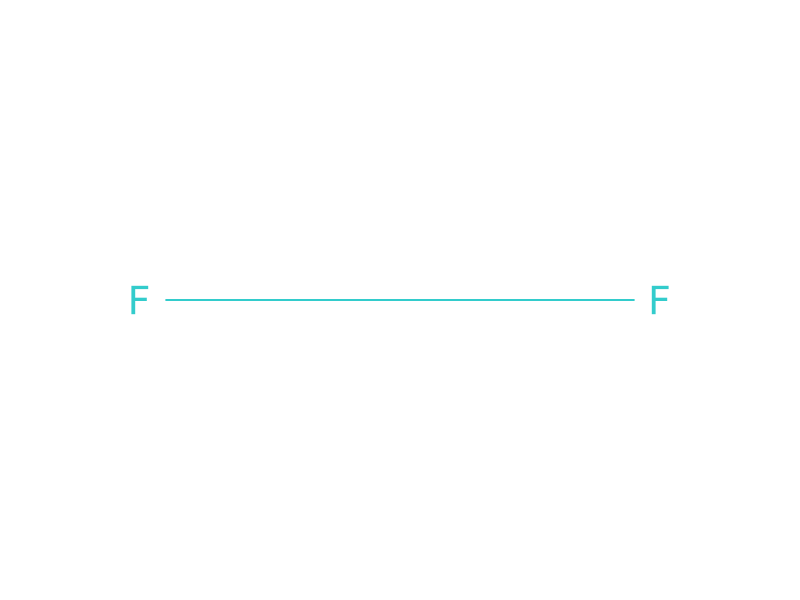
Fluorine → N-fluoro-3-chloro-5-(trifluoromethyl)pyridinium-2-sulfonate
HRID 1492718
Reaktionsgleichung

[Cl:1][C:2]1[C:3]([S:12]([OH:15])(=[O:14])=[O:13])=[N:4][CH:5]=[C:6]([C:8]([F:11])([F:10])[F:9])[CH:7]=1.[F:16]F>C(#N)C>[F:16][N+:4]1[CH:5]=[C:6]([C:8]([F:9])([F:11])[F:10])[CH:7]=[C:2]([Cl:1])[C:3]=1[S:12]([O-:15])(=[O:14])=[O:13]Komponenten
4
Edukt 2

Produkt 1

Reagenzien, Katalysatoren, Lösungsmittel 1

Versuchsvorschrift
To a mixture of 3-chloro-5-(trifluoromethyl)pyridine-2-sulfonic acid (262 mg, 1 mmol) and acetonitrile (60 ml) in a flask on a cooling bath kept at -10° C., a mixed gas of 10% fluorine/90% nitrogen was introduced at a flow rate of 15 ml/min. The total amount of the fluorine gas was 3.6 mmol. Thereafter, the nitrogen gas alone was introduced for 30 minutes. After the reaction mixture was concentrated, ethyl acetate was added to the residue. The precipitated crystal was recovered by filtration to obtain N-fluoro-3-chloro-5-(trifluoromethyl)pyridinium-2-sulfonate (231 mg, 0.83 mmol). Yield, 83%. Melting point, 220°-250° C. (with decomposition).