Reaktionsgleichung
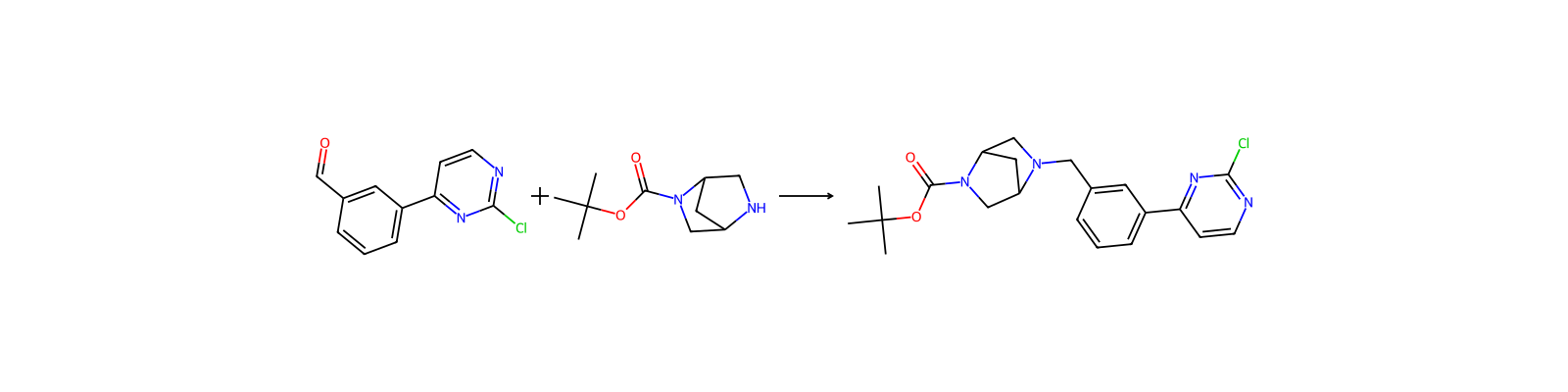
[Cl:1][C:2]1[N:7]=[C:6]([C:8]2[CH:9]=[C:10]([CH:13]=[CH:14][CH:15]=2)[CH:11]=O)[CH:5]=[CH:4][N:3]=1.[C:16]([O:20][C:21]([N:23]1[CH2:28][CH:27]2[CH2:29][CH:24]1[CH2:25][NH:26]2)=[O:22])([CH3:19])([CH3:18])[CH3:17]>>[C:16]([O:20][C:21]([N:23]1[CH2:28][CH:27]2[CH2:29][CH:24]1[CH2:25][N:26]2[CH2:11][C:10]1[CH:13]=[CH:14][CH:15]=[C:8]([C:6]2[CH:5]=[CH:4][N:3]=[C:2]([Cl:1])[N:7]=2)[CH:9]=1)=[O:22])([CH3:19])([CH3:17])[CH3:18]Komponenten
3


Versuchsvorschrift
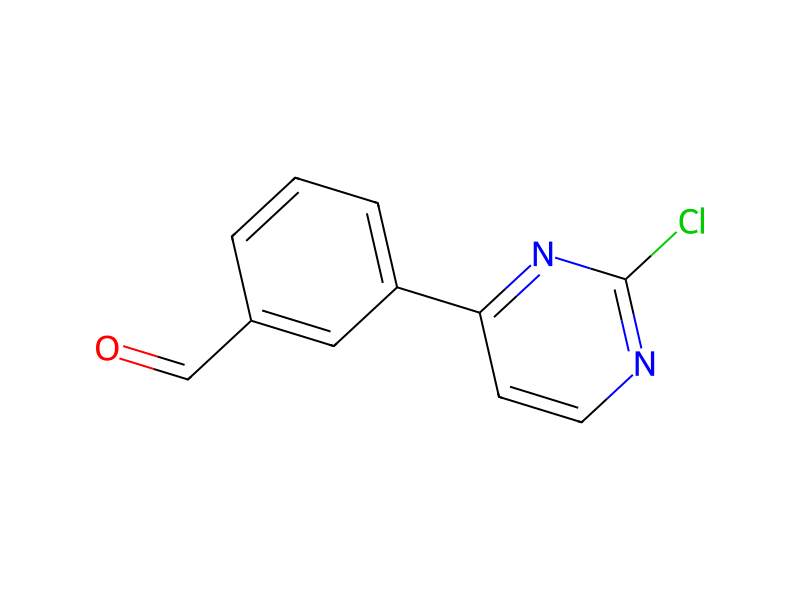
Intermediate 1 was coupled with 2,5-diaza-bicyclo[2.2.1]heptane-2-carboxylic acid tert-butyl ester following procedure B. LC-MS showed the product had the expected M+H+ of 401.
Quellen und Nachweise
- ORD-Eintrag
- ord-74769be024824092b3880d0fdf69ff02
- Quelldatensatz
- uspto-grants-2010_06
- Patentnummer
- US07732444B2
Verknüpfte Notizen
Wird geladen…