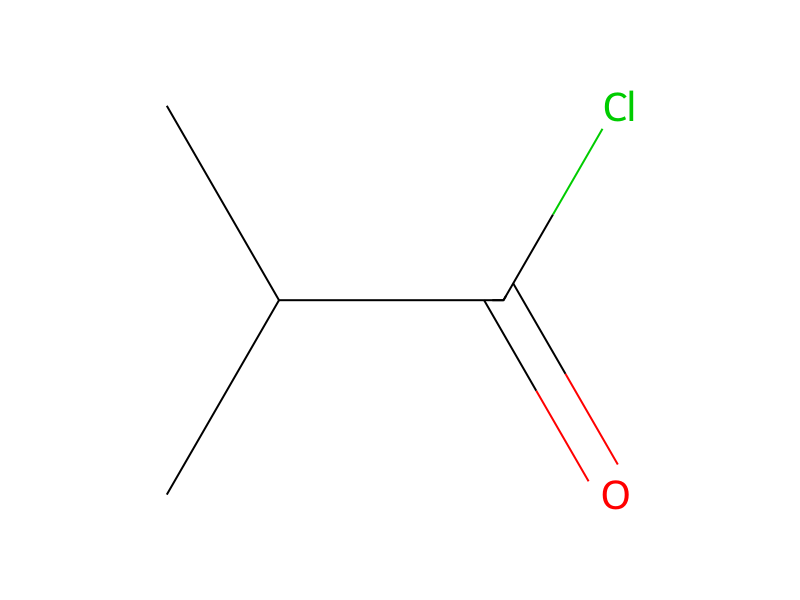
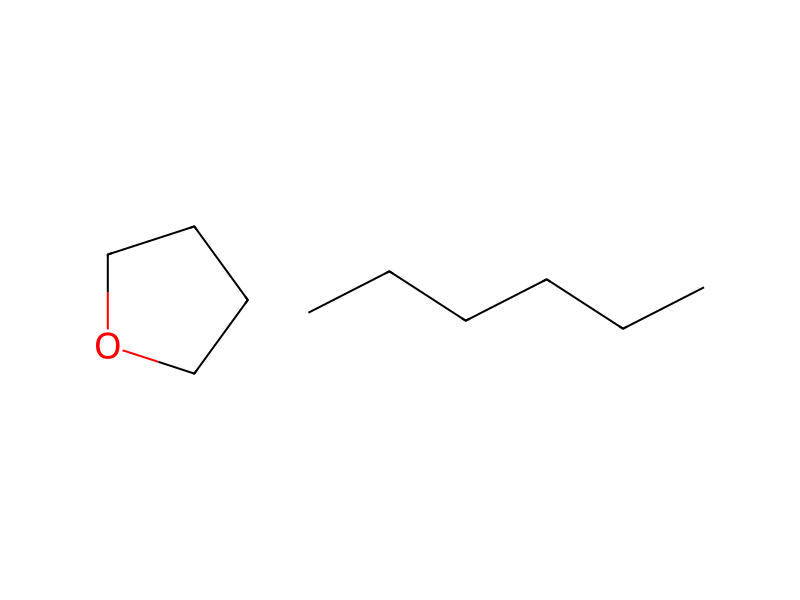
[CH2:1]([C:7]1[CH:12]=[CH:11][C:10]([CH2:13][C:14]([O:16][CH2:17][CH3:18])=[O:15])=[CH:9][CH:8]=1)[CH2:2][CH2:3][CH2:4][CH2:5][CH3:6].C(NC(C)C)(C)C.[Li].[C:27](Cl)(=[O:31])[CH:28]([CH3:30])[CH3:29]>O1CCCC1.CCCCCC.O1CCCC1>[CH2:1]([C:7]1[CH:12]=[CH:11][C:10]([CH:13]([C:27](=[O:31])[CH:28]([CH3:30])[CH3:29])[C:14]([O:16][CH2:17][CH3:18])=[O:15])=[CH:9][CH:8]=1)[CH2:2][CH2:3][CH2:4][CH2:5][CH3:6]6.0 g (24 mmol) of ethyl 2-(4-hexylphenyl)acetate was dissolved in 130 mL of dry tetrahydrofuran under a nitrogen atmosphere and cooled to −60° C. After addition of 31.8 mL (36.2 mmol) of 1.14 M solution of lithiumdiisopropylamine in hexane/tetrahydrofuran, the solution was warmed to 0° C. and stirred for 1 hour. The reaction solution was cooled to −60° C. again and stirred with 3.6 g (34 mmol) of isobutyryl chloride at −60° C. to room temperature for 15 hours. The reaction was quenched with saturated aqueous sodium hydrogen carbonate (150 ml), and the reaction solution was extracted with ethyl acetate. The organic layer was dried over anhydrous magnesium sulfate and filtered, and the filtrate was concentrated under reduced pressure. The resulting residue was purified by silica gel column chromatography using ethyl acetate:hexane (0:100 to 1:9) as the eluent to give 5.39 g of the desired product as a pale yellow oil.