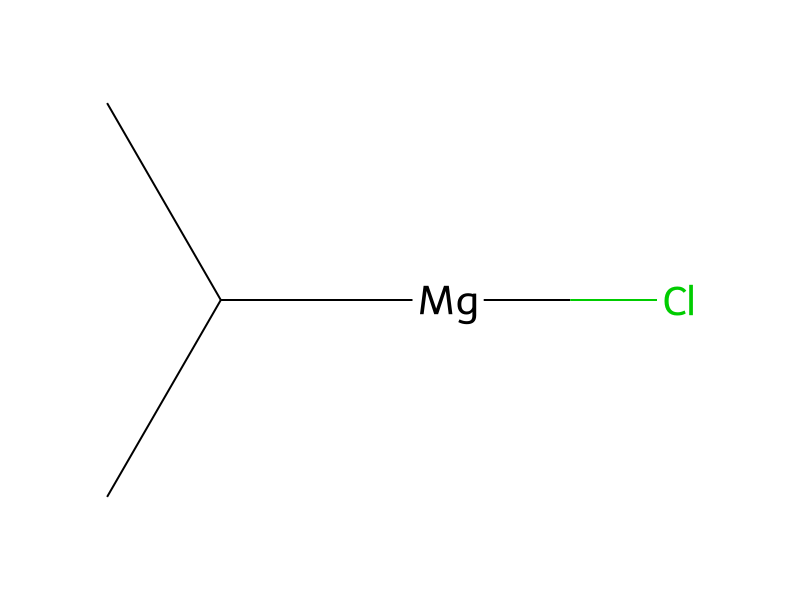
Isopropylmagnesium chloride (2.0 M solution in tetrahydrofuran, 1.05 mL, 2.10 mmol) was gradually added dropwise to 4-iodo-7H-pyrrolo[2,3-d]pyrimidine (245 mg, 1.00 mmol) obtained in Reference Synthetic Examplea 1 in tetrahydrofuran (5 mL) cooled to −78° C., and the resulting reaction mixture was stirred at −78° C. for 15 minutes. The reaction mixture was warmed to room temperature and stirred with (2,6-dimethylphenyl)magnesium bromide (1.0 M solution in tetrahydrofuran, 1.1 mL, 1.1 mmol) and N-methoxy-N,2-dimethylbenzamide (180 mg, 1.00 mmol) in tetrahydrofuran (4 mL) at room temperature for one day. After addition of saturated aqueous ammonium chloride, the reaction mixture was extracted with ethyl acetate, and the organic layer was washed with saturated aqueous sodium chloride, dried over anhydrous magnesium sulfate and concentrated under reduced pressure. The residue was purified by silica gel column chromatography (hexane/ethyl acetate=2/1→1/1 (v/v)) to give the title compound as a pale yellow solid (162 mg, yield 68%).