Reaktionsgleichung

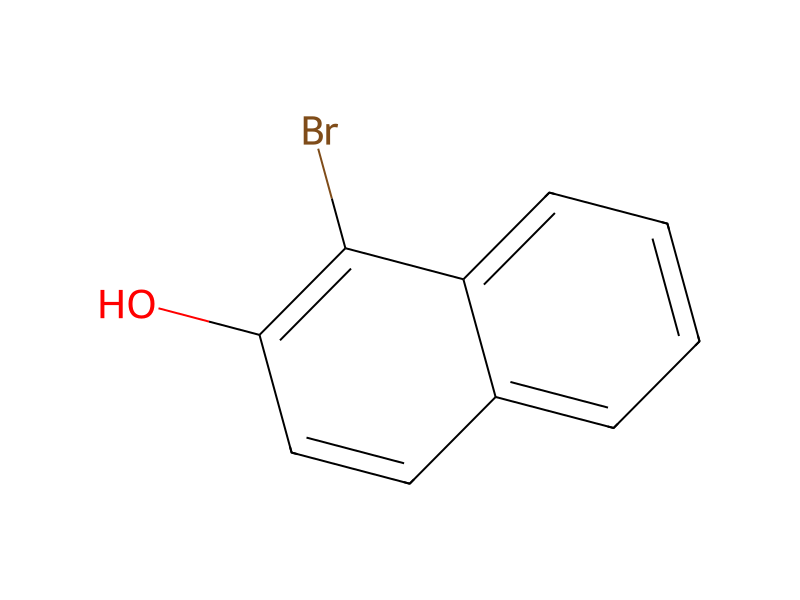
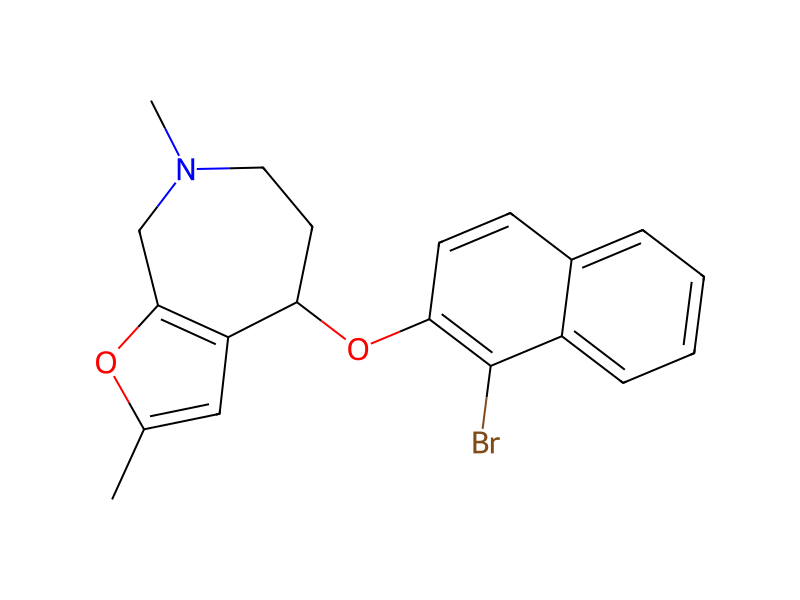
[CH3:1][C:2]1[O:13][C:5]2[CH2:6][N:7]([CH3:12])[CH2:8][CH2:9][CH:10]([OH:11])[C:4]=2[CH:3]=1.[Br:14][C:15]1[C:24]2[C:19](=[CH:20][CH:21]=[CH:22][CH:23]=2)[CH:18]=[CH:17][C:16]=1O>>[Br:14][C:15]1[C:24]2[C:19](=[CH:20][CH:21]=[CH:22][CH:23]=2)[CH:18]=[CH:17][C:16]=1[O:11][CH:10]1[CH2:9][CH2:8][N:7]([CH3:12])[CH2:6][C:5]2[O:13][C:2]([CH3:1])=[CH:3][C:4]1=2Komponenten
3

Versuchsvorschrift
The same method as in Example 38 was conducted using 2,7-dimethyl-5,6,7,8-tetrahydro-4H-furo[2,3-c]azepin-4-ol (Reference Example 20) instead of 6-methyl-4,5,6,7-tetrahydrofuro[2,3-c]pyridin-4-ol (Reference Example 1) and was conducted using 1-bromo-2-naphthol instead of 8-hydroxyquinoline to give the objective compound.
Aufarbeitung
- customto give the objective compound
Quellen und Nachweise
- ORD-Eintrag
- ord-e65fd3a72fe7492290d041ef397ece70
- Quelldatensatz
- uspto-grants-2012_07
- Patentnummer
- US08217031B2
Verknüpfte Notizen
Wird geladen…