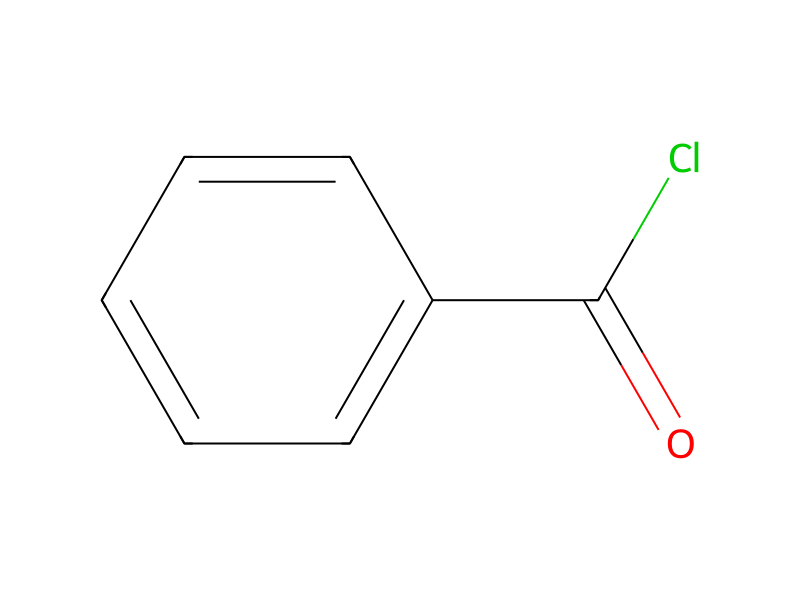
To a solution of 2-acetyl-1,2,4-triazine-3,5(2H,4H)-dione (1.05 g, 6.77 mmol) in 1,4-dioxane (11 ml) and pyridine (1.64 ml, 20.31 mmol) was treated dropwise at 5° C. with benzoyl chloride (0.90 ml, 7.78 mmol), then the mixture was stirred at room temperature overnight. The day after, 0.1 eq of benzoyl chloride was added and the mixture was stirred at rt for further 4 hours. The reaction mixture was then filtered to remove the piridinium salt and the filtered was evaporated under vacuum. The residue was dissolved in ethanol (23 ml) and then hydrochloride acid 37% (0.74 ml, 24.19 mmol) was added and the reaction was refluxed for 15 minutes. The solvent was evaporated under reduced pressure and the residue was purified by column chromatography on silica eluting with a gradient of methanol in DCM (from 0 to 4%) to afford the title compound as a white solid (0.35 g, 23.47%).