StartseiteMCPWorkbenchSkills
StartseiteWorkbenchBenachrichtigungenMein Bereich
llms.txt · MCP-AnleitungDatenschutz · Nutzungsbedingungen · Supportv1.8.3
  1. Startseite
  2. /Reaktion

Hydrochloric Acid → 2-Methyl-[1,3']bipyrrolidinyl hydrochloride

HRID 1514783
Drucken

Reaktionsgleichung

Reaktionsgleichung von HRID 1514783
C(OC([N:8]1[CH2:12][CH2:11][CH:10]([N:13]2[CH2:17][CH2:16][CH2:15][CH:14]2[CH3:18])[CH2:9]1)=O)(C)(C)C.[ClH:19].N#N.[OH-].[K+]>O1CCOCC1.C(Cl)Cl.CO>[ClH:19].[CH3:18][CH:14]1[CH2:15][CH2:16][CH2:17][N:13]1[CH:10]1[CH2:11][CH2:12][NH:8][CH2:9]1
KomponentenVersuchsvorschriftAufarbeitungQuellen und NachweiseNotizen zur Reaktion

Komponenten

8

Edukt 4

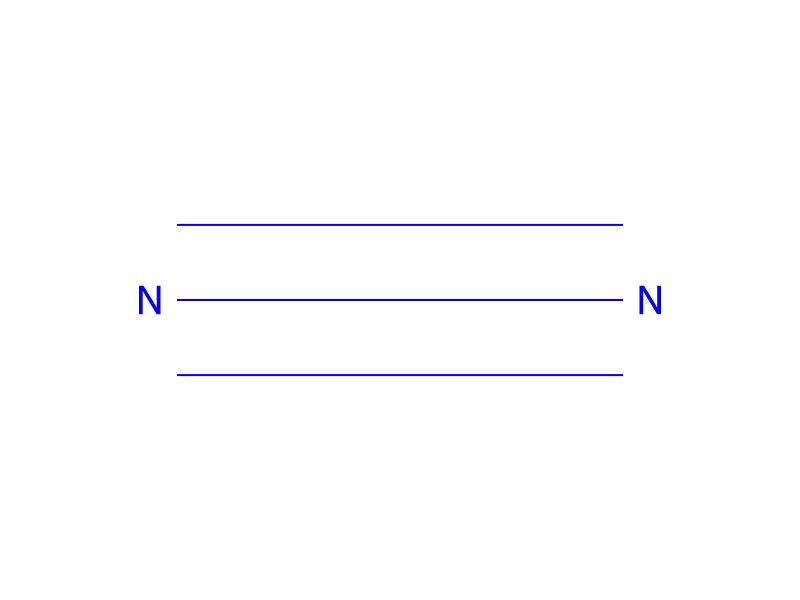
HCID 313Hydrochloric AcidHCID 947NitrogenHCID 14797Potassium HydroxideHCID 59401804Tert-butyl 3-(2-methylpyrrolidin-1-yl)pyrrolidine-1-carboxylate2×

Produkt 1

HCID 666245402-Methyl-[1,3']bipyrrolidinyl hydrochloride

Reagenzien, Katalysatoren, Lösungsmittel 3

HCID 887
Methanol
Lösungsmittel
HCID 6344DichloromethaneLösungsmittel
HCID 312751,4-DioxaneLösungsmittel

Versuchsvorschrift

2-Methyl-[1,3′]bipyrrolidinyl-1′-carboxylic acid tert-butyl ester (Intermediate (i) obtained above, 5.50 g, 21.62 mmol) was treated with 20 mL of 4 M HCl in dioxane at 0° C. The solution was stirred under nitrogen at r.t. overnight. TLC (10% MeOH in DCM) did not detect the starting material. N2 was passed through the solution with stirring. The outlet was passed though KOH solution to absorb HCl for 30 min. The solvent was removed by evaporation to dryness to get the title compound as a hygroscopic gummy material, 5.3 g (˜100%). This material was used without further purification in subsequent steps as illustrated below. LCMS: RT=0.35 minutes, MS: 155 (M+H).

Aufarbeitung

  1. stirringwith stirring
  2. customto absorb HCl for 30 min
  3. customThe solvent was removed by evaporation to dryness

Quellen und Nachweise

ORD-Eintrag
ord-0ac8462be6ce4c88af0678497e612a71
Quelldatensatz
uspto-grants-2012_07
DOI
10.6084/m9.figshare.5104873.v1
Patentnummer
US08222290B2

Notizen zur Reaktion

Auf dieser SeiteKomponentenVersuchsvorschriftAufarbeitungQuellen und NachweiseNotizen zur Reaktion