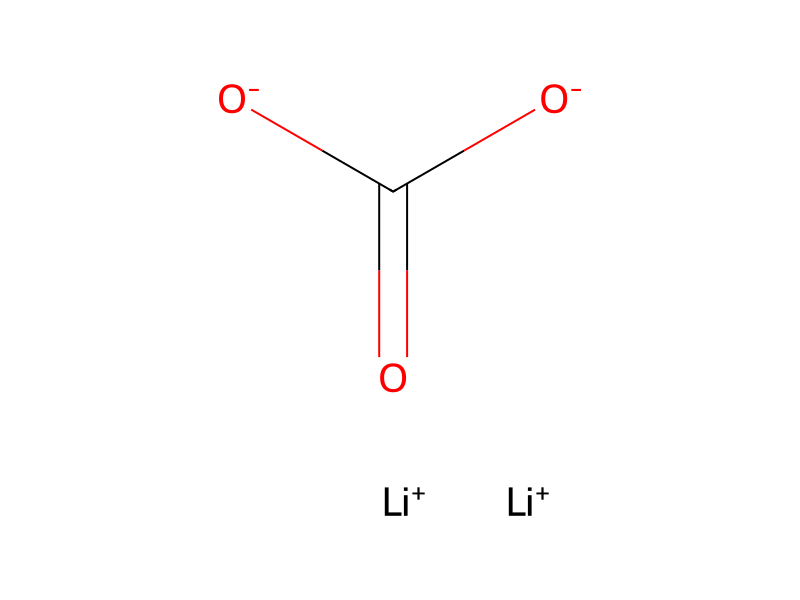
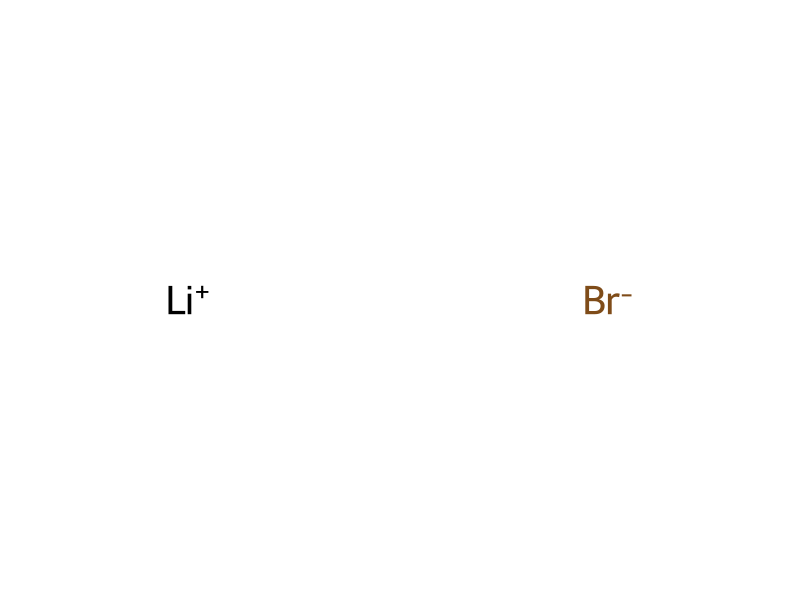
A solution of tetrabutylammonium tribromide (11.8 g, 24.4 mmol) in dichloromethane (80 ml) was added dropwise to a solution of the product from Step C (5.0 g, 22.2 mmol) in dichloromethane (20 ml) and methanol (20 ml) at room temperature over 1 hour. At completion of the addition, the mixture was stirred at room temperature for 15 hours and was then concentrated. The residue was taken into dichloromethane and was washed with saturated sodium bicarbonate three times. The organic layer was concentrated and the residue was dissolved in dimethylformamide (100 ml). Lithium carbonate (5.3 g, 71.1 mmol) and lithium bromide (4.1 g, 46.6 mmol) were added and the resulting mixture was stirred at 140° C. for 1.5 hours. After cooling to room temperature, the solids were filtered and rinsed with ethyl acetate. The filtrate was washed with water four times and dried over sodium sulfate to give 7-bromonaphthalen-1-ol (2.7 g, 56%): 1H NMR (300 MHz, CDCl3) δ 8.41 (d, J=1.8 Hz, 1H), 7.68 (d, J=8.7 Hz, 1H), 7.57 (dd, J=8.7, 1.8 Hz, 1H), 7.41 (d, J=8.4 Hz, 1H), 7.28-7.35 (m, 1H), 6.62 (d, J=7.2 Hz, 1H), 5.80 (br s, 1H).