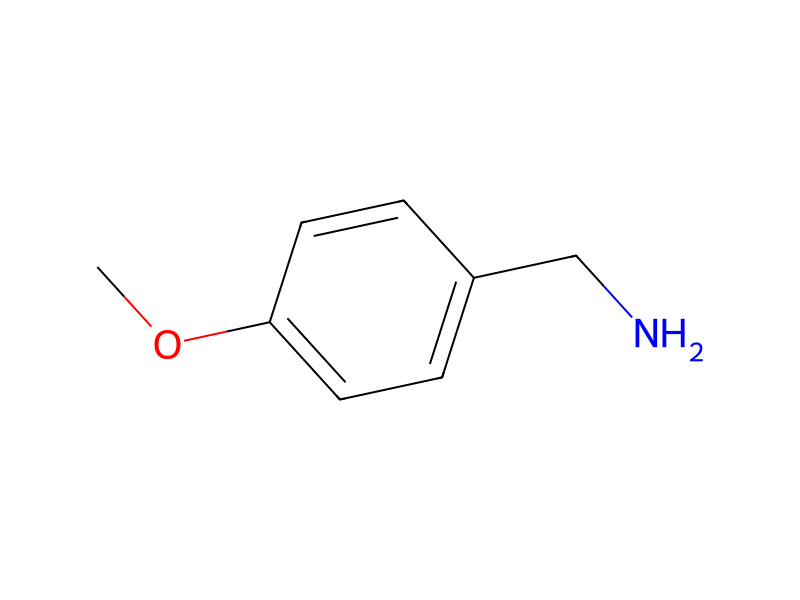
A round-bottom flask was charged with 3-bromo-5-chloro-1,2,4-thiadiazole (2.73 g, 13.69 mmol), i-PrOH (25 mL), and triethylamine (3.82 ml, 27.4 mmol) to give a clear solution. 4-Methoxybenzylamine (2.132 ml, 16.42 mmol) was added dropwise at room temperature, and the resulting mixture was stirred for 2 h before being diluted with EtOAc. The organic solution was washed with saturated aq. sodium bicarbonate solution, washed with water, washed with brine, dried over sodium sulfate, filtered, and concentrated. The crude product was purified by chromatography on silica gel (0 to 40% EtoAc/Heptane) to give a white solid. The solid was suspended in heptane, and the slurry was filtered. The collected solid was washed with heptane (3×), then dried under a stream of N2 overnight to give 3-bromo-N-(4-methoxybenzyl)-1,2,4-thiadiazol-5-amine (2.774 g, 9.24 mmol, 67.5% yield) as a white, fluffy solid. 1H NMR (400 MHz, DMSO-d6) δ=9.20 (br. s., 1 H), 7.33-7.20 (m, 2 H), 7.01-6.84 (m, 2 H), 4.43 (br. s., 2 H), 3.74 (s, 3 H). m/z (ESI) 300.0 (M+H)+.