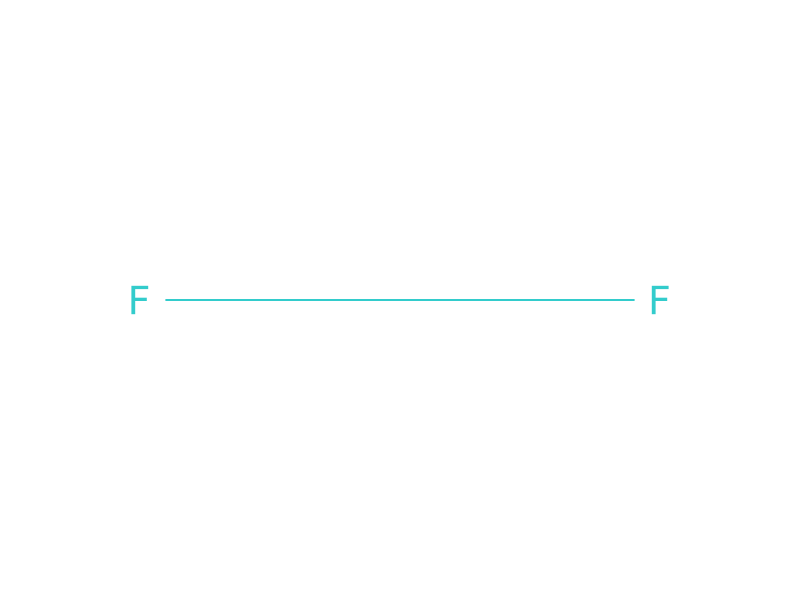
Fluorine → 7-Chloro-6-fluoro-1-(2-hydroxyethyl)-4-oxo-1,4-dihydroquinoline-3-carboxylic acid, ethyl ester
HRID 1578256
Reaktionsgleichung

FF.[Cl:3][C:4]1[CH:13]=[C:12]2[C:7]([C:8](=[O:22])[C:9]([C:17]([O:19][CH2:20][CH3:21])=[O:18])=[CH:10][N:11]2[CH2:14][CH2:15][OH:16])=[CH:6][C:5]=1[F:23]>>[Cl:3][C:4]1[CH:13]=[C:12]2[C:7]([C:8](=[O:22])[C:9]([C:17]([O:19][CH2:20][CH3:21])=[O:18])=[CH:10][N:11]2[CH2:14][CH2:15][OH:16])=[CH:6][C:5]=1[F:23].[Cl:3][C:4]1[CH:13]=[C:12]2[C:7]([C:8](=[O:22])[C:9]([C:17]([O:19][CH2:20][CH3:21])=[O:18])=[CH:10][NH:11]2)=[CH:6][C:5]=1[F:23]Komponenten
4
Edukt 2

Produkt 2

Versuchsvorschrift
When R1 in formula I is a vinyl group, the compounds according to the invention can be prepared by either of two processes depending on whether the vinyl substituent in the 1-position is introduced at the beginning of the synthesis process (process A) or at the end of the process (process B). The reaction schemes below show the stages of these two processes for the case where X in formula I is fluorine. The two methods use 7-chloro-3-ethoxycarbonyl-6-fluoro-1-(2-hydroxyethyl)-4-oxo-1,4-dihydro-quinoline (V) as an intermediate. The intermediate V is obtained by the alkylation of 7-chloro-3-ethoxycarbonyl-6-fluoro-4-oxo-1,4-dihydro-quinoline (IV) with a 2-halogeno-ethanol XCH2 --CH2OH, in which X is a halogen atom, in the presence of a base, for example a neutral alkali metal carbonate. The reaction is suitably carried out at a temperature of from 100° to 120° C., preferably in dimethylformamide (DMF). For each mole of the ester IV, in solution in 5 to 10 times its weight of DMF, an excess of alkali metal carbonate (2 to 3 moles) and an excess of halogeno-ethanol (4 moles) are preferably used. The reaction is complete when the pH of the reaction medium becomes neutral, which, when using bromoethanol, is generally obtained after 4 hours of heating. When chloroethanol is used as the alkylation agent, it is preferred to carry out the reaction in the presence of an alkali metal bromide, such as potassium bromide, in order to increase the reaction rate, the bromide suitably being used in a proportion of 0.1 to 1.0 mole per mole of chloroethanol. After concentration under reduced pressure and dilution with water, the ester V, m.p. 202° C., precipitates; it is then dried and recrystallised, from a suitable solvent. ##STR13##