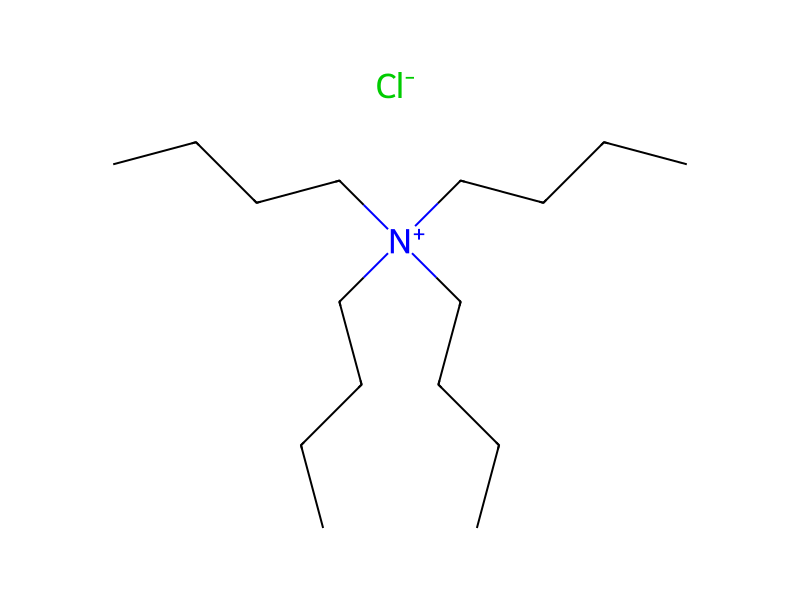
[Br:1][C:2]1[CH:14]=[CH:13][C:12]2[C:11]3[C:6](=[CH:7][C:8]([Br:15])=[CH:9][CH:10]=3)[CH2:5][C:4]=2[CH:3]=1.[CH2:16](Br)[CH2:17][CH2:18][CH2:19][CH2:20][CH3:21].[OH-].[Na+]>[Cl-].C([N+](CCCC)(CCCC)CCCC)CCC>[Br:1][C:2]1[CH:14]=[CH:13][C:12]2[C:11]3[C:6](=[CH:7][C:8]([Br:15])=[CH:9][CH:10]=3)[C:5]([CH2:13][CH2:14][CH2:2][CH2:3][CH2:4][CH3:12])([CH2:16][CH2:17][CH2:18][CH2:19][CH2:20][CH3:21])[C:4]=2[CH:3]=1In a 250 milliliter round bottom flask there was added 2,7-dibromofluorene (6.45 grams), n-hexyl bromide (16.5 grams), tetra-n-butylammonium chloride (0.5 grams), and a 50 weight % aqueous sodium hydroxide solution. The resulting mixture was stirred at 80° C. for 3 hours. After cooling to ambient temperature, about 23° C., the product mixture was transferred to a separatory funnel and extracted with toluene. The toluene extracts were washed with water and dried over anhydrous magnesium sulfate. Removal of the organic solvent by evaporation afforded an oily residue, which was crystallized from ethanol to provide 8.8 grams of 2,7-dibromo-9,9-di-n-hexylfluorene as colorless crystals.
Wird geladen…