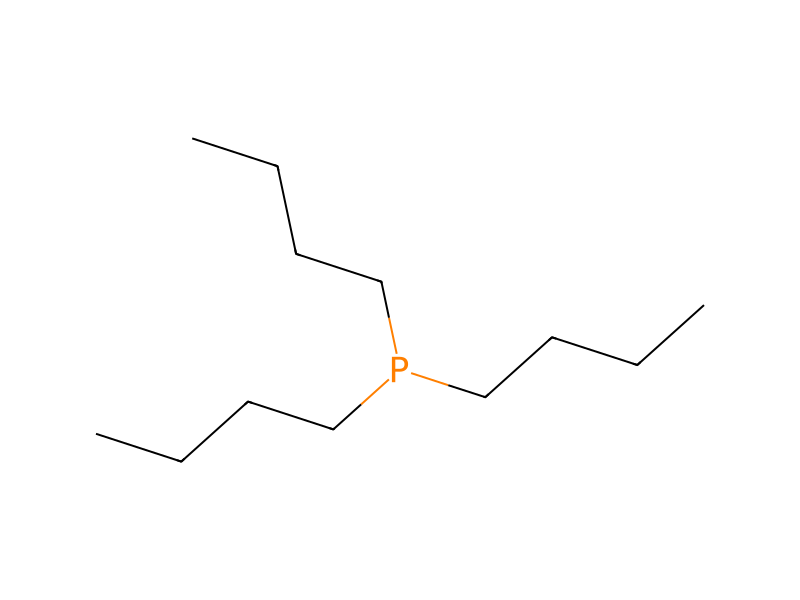
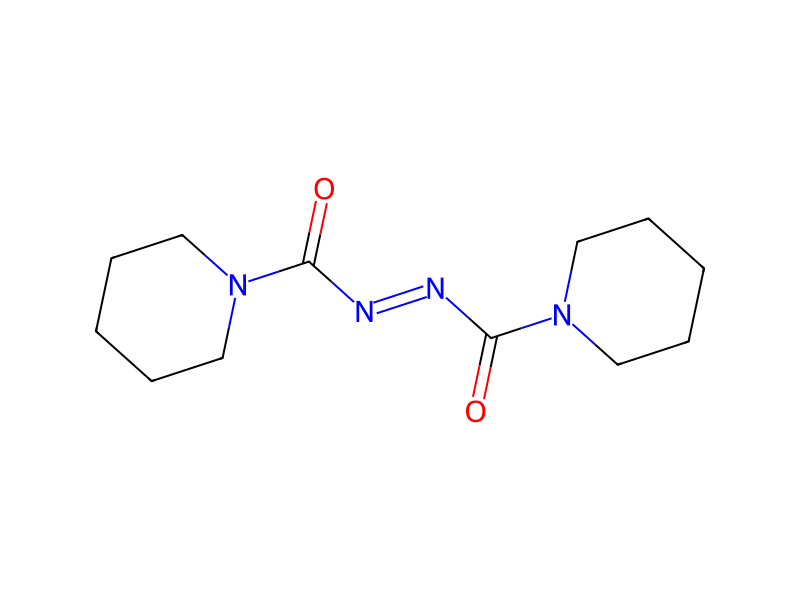
OC[C@@H:3]1[O:7][C:6](=[O:8])[N:5]([C:9]2[CH:14]=[CH:13][C:12]([N:15]3[CH2:20][CH2:19][O:18][CH2:17][CH2:16]3)=[CH:11][CH:10]=2)[CH2:4]1.C(OC(N[C:29]1[CH:33]=[CH:32][O:31][N:30]=1)=O)(C)(C)C.C(P(CCCC)CCCC)CCC.[N:47]([C:57](N1CCCCC1)=O)=NC(N1CCCCC1)=O>C1COCC1>[O:31]1[CH:32]=[CH:33][C:29]([CH:57]([NH2:47])[C@H:3]2[O:7][C:6](=[O:8])[N:5]([C:9]3[CH:14]=[CH:13][C:12]([N:15]4[CH2:16][CH2:17][O:18][CH2:19][CH2:20]4)=[CH:11][CH:10]=3)[CH2:4]2)=[N:30]15(R)-Hydroxymethyl-3-(4-morpholinophenyl)oxazolidin-2-one (prepared by analogy to the 3-fluoro compound—see WO95/07271; 0.50 g, 1.80 mmol), 3-t-butyloxycarbonylamino-isoxazole (0.50 g, 2.70 mmol), tri-n-butylphosphine (0.66 ml, 2.70 mmol), and 1,1′-(azodicarbonyl)-di-piperidine (0.68 g, 2.70 mmol) were reacted in anhydrous THF (30 ml) using the general method of Reference Example 15. The reaction was then purified by MPLC (Merck 9385 silica, 70% ethyl acetate in iso-hexane) and the solvent removed under reduced pressure to give a solid which was triturated with ether to give the title compound as an off-white solid. 1H-NMR (300 MHz, DMSO-d6): δ=1.50 (s, 9H), 3.08 (t, 4H), 3.70-3.80 (m, 5H), 3.93-4.01 (m, 1H), 4.14-4.30 (m, 2H), 4.95 (m, 1H), 6.88 (s, 1H), 6.99 (d, 2H), 7.40 (d, 2H), 8.81 (s, 1H). MS: ESP+ (M+H)+=445.
Wird geladen…