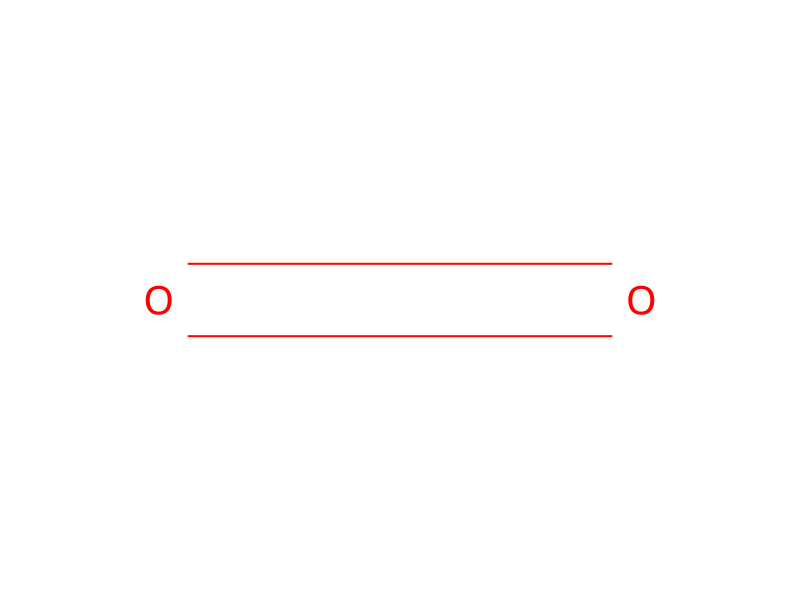
The vinyl sulfide of Example 1(b) (0.100 g) was irradiated in 20 mL of CH2Cl2 containing a few crystals (<1 mg) of methylene blue with continuous oxygen bubbling at -78° C. using a 1000 W Na lamp. TLC indicated that the vinyl sulfide was consumed after 10 min. N-Chlorosuccinimide (0.0446 g) was added and the mixture maintained at -78° C. for 15 minutes. Allyl alcohol (50 uL) was added and the solution warmed to room temperature. Progress of the reaction was monitored by the appearance of a new material by TLC (20% ethyl acetate in hexane) which emitted blue light when the plate was heated and by observing the color of chemiluminescence from an aliquot of the reaction solution reacted with 0.1 M TBAF in DMSO. The yellow emission of dioxetane 1 was gradually replaced by the blue emission of dioxetane 8. The solution was concentrated to dryness and the residue extracted with ether. The ether was evaporated and the resulting residue chromatographed on a silica prep. TLC plate with 20% ethyl acetate in hexane. The major band contained 47 mg of dioxetane 8: 1H NMR (CDCl3) δ1.09 (m, 1H), 1.26 (m, 1H), 1.471 (dq, 1H), 1.51-1.96 (m, 9H), 2.195 (br s, 1H), 3.127 (br s, 1H), 3.72-3.82 (m, 1H), 4.02-4.12 (m, 1H), 5.14-5.22 (m, 1H), 5.32-5.44 (m, 2H, vinylic H and phenolic-OH), 5.90-6.03 (m, 1H), 6.86-6.93 (m, 1H), 7.19 (br s, 2H), 7.26-7.34 (m, 1H).