Reaktionsgleichung

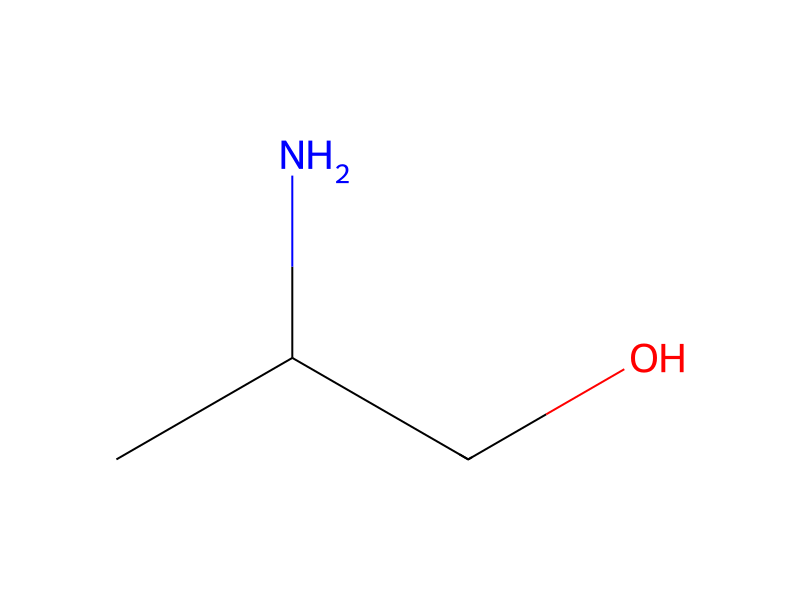
Cl[C:2]1[N:3]=[N:4][C:5]([C:8]2[CH:9]=[N:10][CH:11]=[CH:12][CH:13]=2)=[CH:6][CH:7]=1.[NH2:14][CH:15]([CH3:18])[CH2:16][OH:17]>>[N:10]1[CH:11]=[CH:12][CH:13]=[C:8]([C:5]2[N:4]=[N:3][C:2]([NH:14][CH:15]([CH3:18])[CH2:16][OH:17])=[CH:7][CH:6]=2)[CH:9]=1Komponenten
3


Reaktionsbedingungen
- Temperatur
- 130 °C
Versuchsvorschrift
A mixture of 5 g of 3-chloro-6-(3-pyridinyl)pyridazine and 30 ml of 2-amino-1-propanol is heated at 130° C. for 24 hours and the volatiles removed by bulb to bulb distillation under high vacuum to obtain the product 2-[[6-(3-pyridinyl)-3-pyridazinyl]amino]-1-propanol. As for Example 5, the preceding product is reacted with thionyl chloride and the obtained product is ring closed with potassium carbonate in ethanol to give 2,3-dihydro-2-methyl-6-(3-pyridinyl)imidazo[1,2-b]pyridazine which is dehydrogenated with lead tetraacetate to give 2-methyl-6-(3-pyridinyl)imidazo[1,2-b]pyridazine.
Aufarbeitung
- customthe volatiles removed by bulb to bulb distillation under high vacuum
Quellen und Nachweise
- ORD-Eintrag
- ord-80170d45d0c043da908dac092e364341
- Quelldatensatz
- uspto-grants-1986_02
- Patentnummer
- US04569934
Verknüpfte Notizen
Wird geladen…