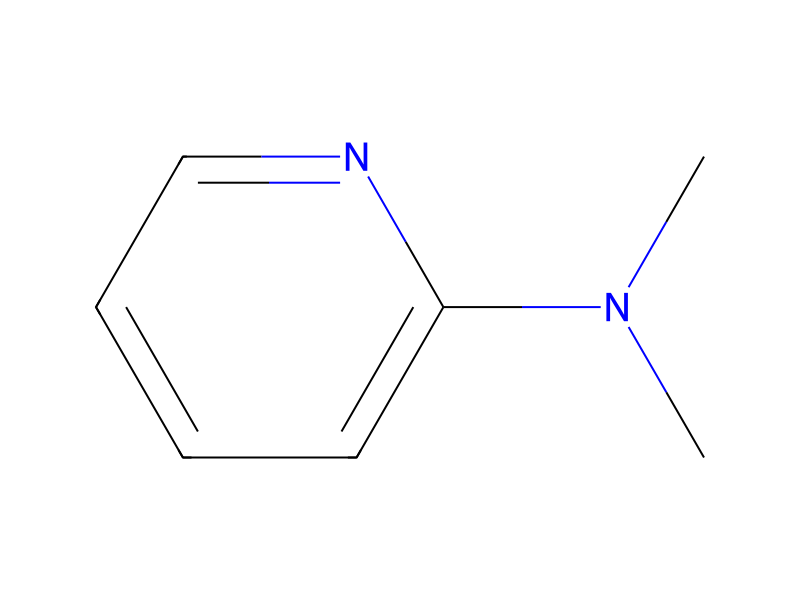
[CH2:1]([O:8][C:9]1[CH:17]=[CH:16][C:12]([C:13](Cl)=[O:14])=[CH:11][CH:10]=1)[C:2]1[CH:7]=[CH:6][CH:5]=[CH:4][CH:3]=1.[F:18][C:19]([F:29])([F:28])[C@H:20]([OH:27])[CH2:21][CH2:22][CH2:23][CH2:24][CH2:25][CH3:26].C(N(CC)CC)C.CN(C1C=CC=CN=1)C>C(Cl)Cl>[CH2:1]([O:8][C:9]1[CH:17]=[CH:16][C:12]([C:13]([O:27][CH:20]([CH2:21][CH2:22][CH2:23][CH2:24][CH2:25][CH3:26])[C:19]([F:18])([F:28])[F:29])=[O:14])=[CH:11][CH:10]=1)[C:2]1[CH:7]=[CH:6][CH:5]=[CH:4][CH:3]=1In 20 ml of methylene chloride was dissolved 1.1 g of 4-benzyloxybenzoic acid chloride, and to the solution was slowly added a solution of 0.74 g of (R)-(+)-1,1,1-trifluoro-2-octanol ([α]D20 =+25.2°), 0 4 g of triethylamine, and a catalytic amount of dimethylaminopyridine in 10 ml of methylene chloride under ice-cooling. After warming to room temperature, the solution was stirred for 12 hours. The reaction mixture was poured into ice-water and extracted with methylene chloride. The methylene chloride phase was successively washed with diluted hydrochloric acid, water, an aqueous 1N sodium carbonate solution, and water and then dried over anhydrous magnesium sulfate. The solvent was removed by distillation under reduced pressure, and the residual crude product was purified by silica gel column chromatography to obtain 1.0 g of 1,1,1-trifluoro-2-octyl 4-benzyloxybenzoate.