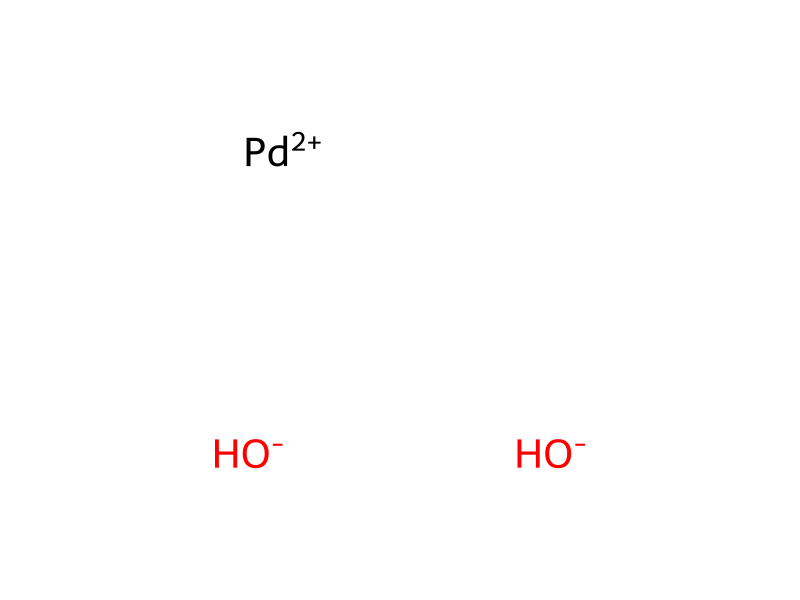
C([N:8]1[C:12]2([CH2:16][CH2:15][N:14]([C:17]3[CH:18]=[N:19][CH:20]=[C:21]([O:23][C:24]4[CH:29]=[CH:28][CH:27]=[CH:26][CH:25]=4)[CH:22]=3)[CH2:13]2)[CH2:11][CH2:10][CH2:9]1)C1C=CC=CC=1.Cl.[H][H]>C(O)C.[OH-].[OH-].[Pd+2]>[O:23]([C:21]1[CH:22]=[C:17]([N:14]2[CH2:15][CH2:16][C:12]3([NH:8][CH2:9][CH2:10][CH2:11]3)[CH2:13]2)[CH:18]=[N:19][CH:20]=1)[C:24]1[CH:25]=[CH:26][CH:27]=[CH:28][CH:29]=1To a solution of 1-benzyl-7-(5-phenoxy-3-pyridyl)-1,7-diazaspiro[4.4]nonane (690 mg, 1.79 mmol) in ethanol (25 mL) in a pressure bottle was added concentrated HCl (1 mL) and Pearlman's catalyst (Pd(OH)2, 20% on carbon, 50 mg). The solution was shaken under 50 psi of hydrogen gas for 8 h. The catalysts was removed by filtration through Celite, and the filter cake was washed with ethanol (20 mL). The solvent was removed by rotary evaporation, and the residue was basified with saturated aqueous sodium bicarbonate to pH 8-9. Solid sodium chloride (2 g) was added, and the solution was extracted with chloroform (4×20 mL). The combined chloroform extracts were dried (Na2SO4), filtered and concentrated by rotary evaporation to afford 490 mg of the desired compound as a light brown viscous liquid (92.7%).