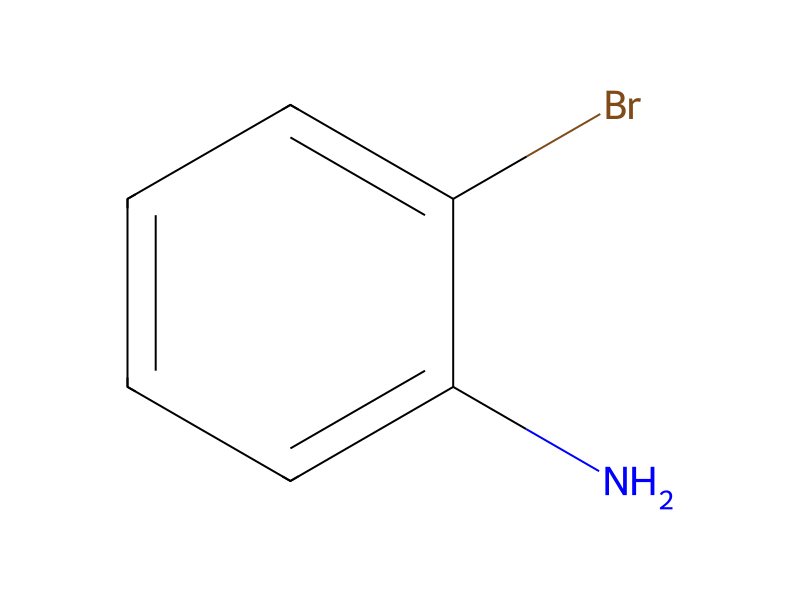
A mixture of 16.0 g (46 mmol) of sodium 3-bromo-2-iodobenzoate [prepared from 15.0 g (46 mmol) of 3-bromo-2-iodobenzoic acid (XX) and 1.1 g (46 mmol) of sodium hydride], 19.5 g (100 mmol) of sodium 2-bromoanilide [prepared from 17.3 g (100 mmol) of 2-bromoaniline (XXI) and 2.4 g (100 mmol) of sodium hydride] and a spatula-tipfull of copper powder in 100 ml of tetrahydrofuran was heated to reflux for 9 h. The solvent was distilled off, the residue extracted with 0.5 M aqueous sodium hydroxide, and the resulting suspension subjected to centrifugation. The centrifugate was acidified with diluted hydrochloric acid, the precipitated solid was filtered off and dried under high vacuum. Fractional sublimation under high vacuum yielded 6.3 g (37% of theory) of 3-bromo-2-(2-bromophenylamino)benzoic acid (XXII) as a yellow powder with a melting point of 181-182° C.