Acetone → HCID 54283770, Verbindung
HRID 1596719
Reaktionsgleichung

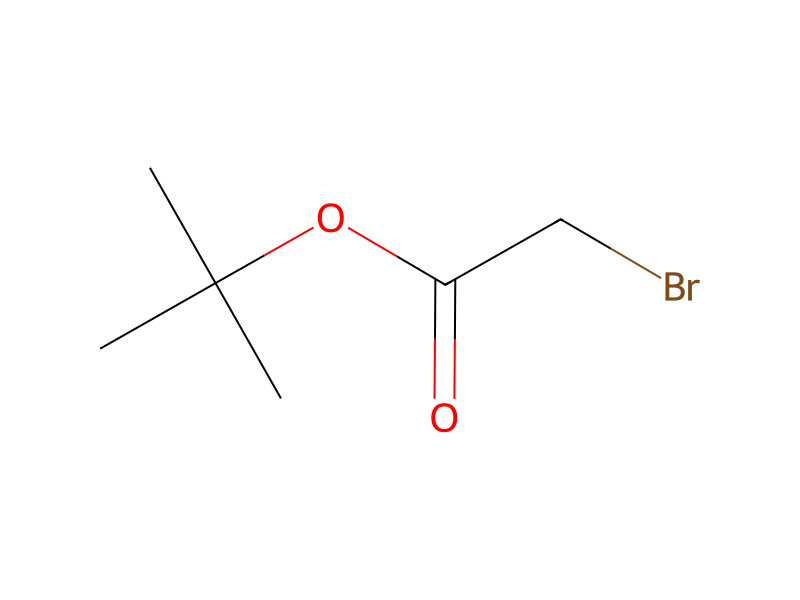
[OH:1][C:2]1[CH:3]=[C:4](C(=O)C)[CH:5]=[CH:6][C:7]=1[O:8][CH2:9][C:10]1[CH:15]=[CH:14][CH:13]=[CH:12][CH:11]=1.Br[CH2:20][C:21]([O:23][C:24]([CH3:27])([CH3:26])[CH3:25])=[O:22].C([O-])([O-])=O.[K+].[K+].[CH3:34][C:35](C)=[O:36]>>[C:35]([C:5]1[CH:4]=[CH:3][C:2]([O:1][CH2:20][C:21]([O:23][C:24]([CH3:27])([CH3:26])[CH3:25])=[O:22])=[C:7]([O:8][CH2:9][C:10]2[CH:11]=[CH:12][CH:13]=[CH:14][CH:15]=2)[CH:6]=1)(=[O:36])[CH3:34]Komponenten
5




Versuchsvorschrift
A solution of 3′-hydroxy4′-benzyloxyacetophenone (3.5 g, 14.4 mmol), t-butyl bromoacetate (2.8 mL, 17.0 mmol), and K2CO3 (2.3 g, 17.0 mmol) in 100 mL acetone is refluxed 18 hours. After cooling, the mixture is filtered, and the acetone is removed in vacuo. The residue is then dissolved in EtOAc (50 mL) and washed with H2O (1×50 mL) and brine (1×50 mL), dried over MgSO4, and the solvent is removed in vacuo. Chromatography (silica, 5:1 hexane/EtOAc) yields t-butyl (4-acetyl-2-benzyloxyphenoxy)-acetate.