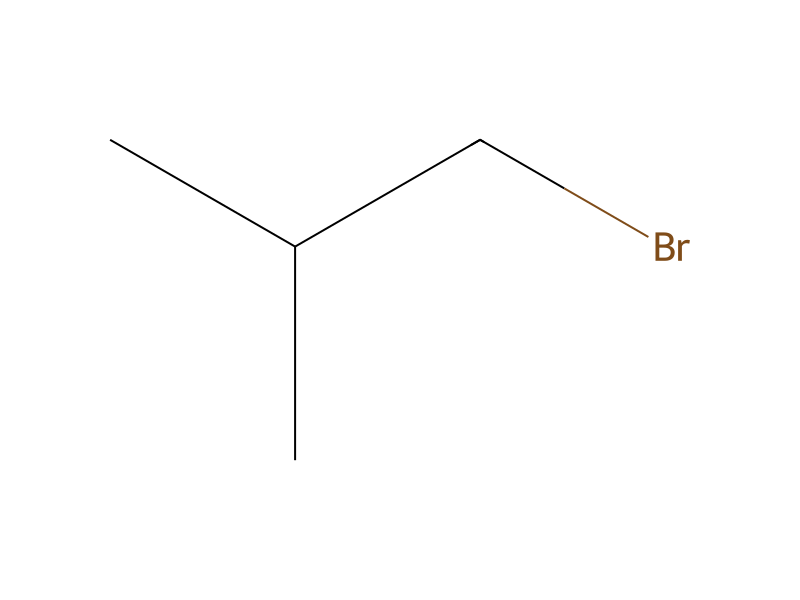
Dimethylformamide → Butyl 6-[N-(5-bromo-2-(2-methylpropoxy)benzyl)-N-ethylamino]pyridazine-3-carboxylate
HRID 1604380
Reaktionsgleichung

[Br:1][C:2]1[CH:3]=[CH:4][C:5]([OH:25])=[C:6]([CH:24]=1)[CH2:7][N:8]([C:11]1[N:16]=C[C:14]([C:17]([O:19][CH2:20][CH2:21][CH2:22][CH3:23])=[O:18])=[CH:13][CH:12]=1)[CH2:9][CH3:10].C(=O)([O-])[O-].[K+].[K+].Br[CH2:33][CH:34]([CH3:36])[CH3:35].C[N:38](C)C=O>>[Br:1][C:2]1[CH:3]=[CH:4][C:5]([O:25][CH2:33][CH:34]([CH3:36])[CH3:35])=[C:6]([CH:24]=1)[CH2:7][N:8]([C:11]1[N:16]=[N:38][C:14]([C:17]([O:19][CH2:20][CH2:21][CH2:22][CH3:23])=[O:18])=[CH:13][CH:12]=1)[CH2:9][CH3:10]Komponenten
5