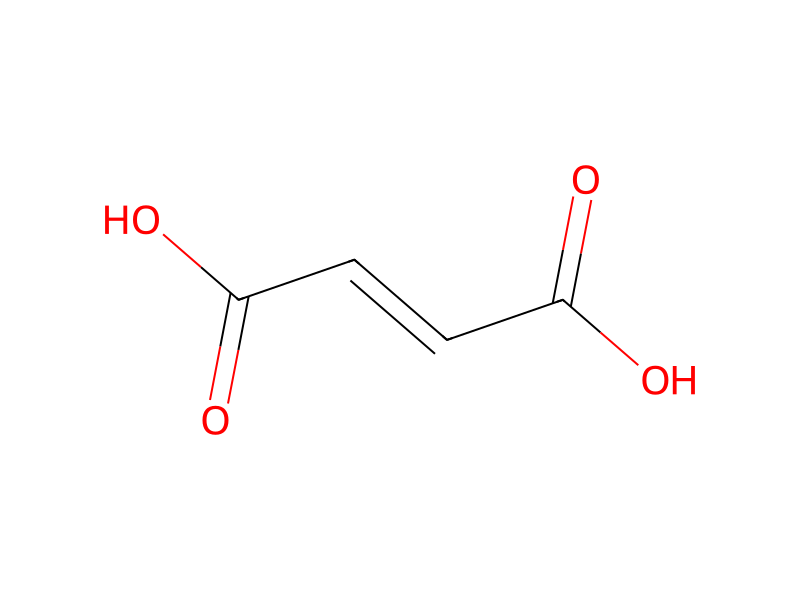
1-Butanol → 1-(3-Cyanoindol-4-yloxy)-3-[2-(3-nitroxybutanoylamino)-ethylamino]-propan-2-ol fumarate
HRID 1607123
Reaktionsgleichung

[C:1]([C:3]1[C:11]2[C:6](=[CH:7][CH:8]=[CH:9][C:10]=2[O:12][CH2:13][CH:14]2[O:16][CH2:15]2)[NH:5][CH:4]=1)#[N:2].C(O)CCC.[O:22]([CH:26]([CH3:34])[CH2:27][C:28]([NH:30][CH2:31][CH2:32][NH2:33])=[O:29])[N+:23]([O-:25])=[O:24].[C:35]([OH:42])(=[O:41])/[CH:36]=[CH:37]/[C:38]([OH:40])=[O:39]>CO>[C:35]([OH:42])(=[O:41])/[CH:36]=[CH:37]/[C:38]([OH:40])=[O:39].[C:1]([C:3]1[C:11]2[C:6](=[CH:7][CH:8]=[CH:9][C:10]=2[O:12][CH2:13][CH:14]([OH:16])[CH2:15][NH:33][CH2:32][CH2:31][NH:30][C:28](=[O:29])[CH2:27][CH:26]([O:22][N+:23]([O-:25])=[O:24])[CH3:34])[NH:5][CH:4]=1)#[N:2]Komponenten
6