p-Bromochlorobenzene → 7-(4-chlorophenoxy)-3,4-dihydro-2-(3-pyridylmethyl)-1 (2H)-isoquinolinone
Reaktionsgleichung

[OH:1][C:2]1[CH:11]=[C:10]2[C:5]([CH2:6][CH2:7][N:8]([CH2:13][C:14]3[CH:15]=[N:16][CH:17]=[CH:18][CH:19]=3)[C:9]2=[O:12])=[CH:4][CH:3]=1.Br[C:21]1[CH:26]=[CH:25][C:24]([Cl:27])=[CH:23][CH:22]=1.C(=O)([O-])[O-].[K+].[K+]>N1C=CC=CC=1>[Cl:27][C:24]1[CH:25]=[CH:26][C:21]([O:1][C:2]2[CH:11]=[C:10]3[C:5]([CH2:6][CH2:7][N:8]([CH2:13][C:14]4[CH:15]=[N:16][CH:17]=[CH:18][CH:19]=4)[C:9]3=[O:12])=[CH:4][CH:3]=2)=[CH:22][CH:23]=1Komponenten
5
Edukt 3
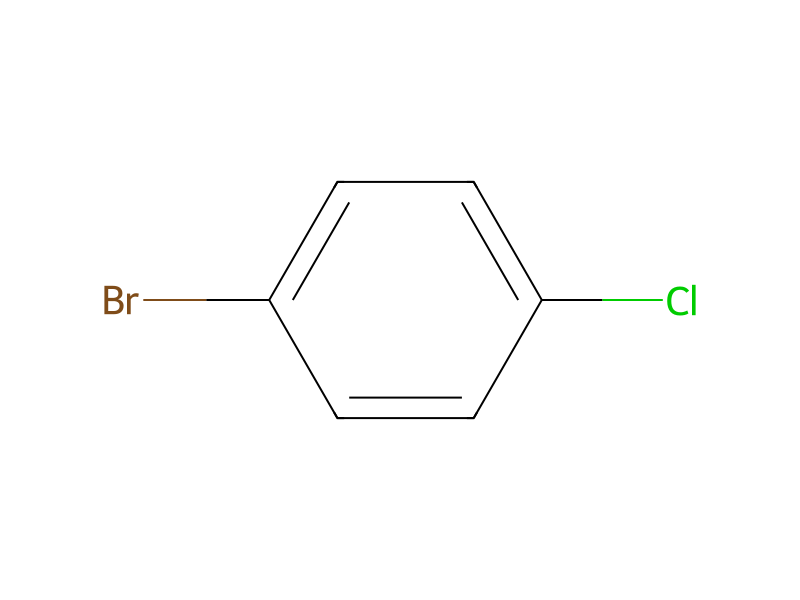


Produkt 1

Reagenzien, Katalysatoren, Lösungsmittel 1

Versuchsvorschrift
A mixture of 4.97 g of 3,4-dihydro-7-hydroxy-2-(3-pyridylmethyl)-1 (2H)-isoquinolinone, 4.50 g of 4-bromochlorobenzene, 3.88 g of cupric oxide, 5.39 g of potassium carbonate and 30 ml of pyridine was refluxed under heating for 20 hours. After finishing the reaction, the insoluble material was filtered, and the filtrate was concentrated in vacuo. The resultant residue was chromatographed on a column of silica gel, eluting with ethyl acetate to give 4.39 g of the titled compound.
Aufarbeitung
- temperaturewas refluxed
- temperatureunder heating for 20 hours
- customthe reaction
- filtrationthe insoluble material was filtered
- concentrationthe filtrate was concentrated in vacuo
- customThe resultant residue was chromatographed on a column of silica gel
- washeluting with ethyl acetate
Quellen und Nachweise
- ORD-Eintrag
- ord-016bb8a169ba4835a6a6e722e7ddd305
- Quelldatensatz
- uspto-grants-1995_03
- Patentnummer
- US05401756
Notizen zur Reaktion
Wird geladen…