StartseiteMCPSkillsWorkbenchOpenChem
StartseiteWorkbenchBenachrichtigungenMein Bereich
llms.txt · skill.md · MCP-AnleitungDatenschutz · Nutzungsbedingungen · Supportv1.8.5
  1. Startseite
  2. /Reaktion

Hydrochloric Acid → 4-bromo-2-isopropyl-6-nitro-1H-benzo[d]imidazole

HRID 1622489
Drucken

Reaktionsgleichung

[Br:1][C:2]1[CH:7]=[C:6]([N+:8]([O-:10])=[O:9])[CH:5]=[C:4]([NH2:11])[C:3]=1[NH2:12].[C:13](O)(=O)[CH:14]([CH3:16])[CH3:15].Cl.[OH-].[Na+]>>[Br:1][C:2]1[C:3]2[N:12]=[C:13]([CH:14]([CH3:16])[CH3:15])[NH:11][C:4]=2[CH:5]=[C:6]([N+:8]([O-:10])=[O:9])[CH:7]=1
KomponentenReaktionsbedingungenVersuchsvorschriftAufarbeitungQuellen und NachweiseNotizen zur Reaktion

Komponenten

5

Edukt 4

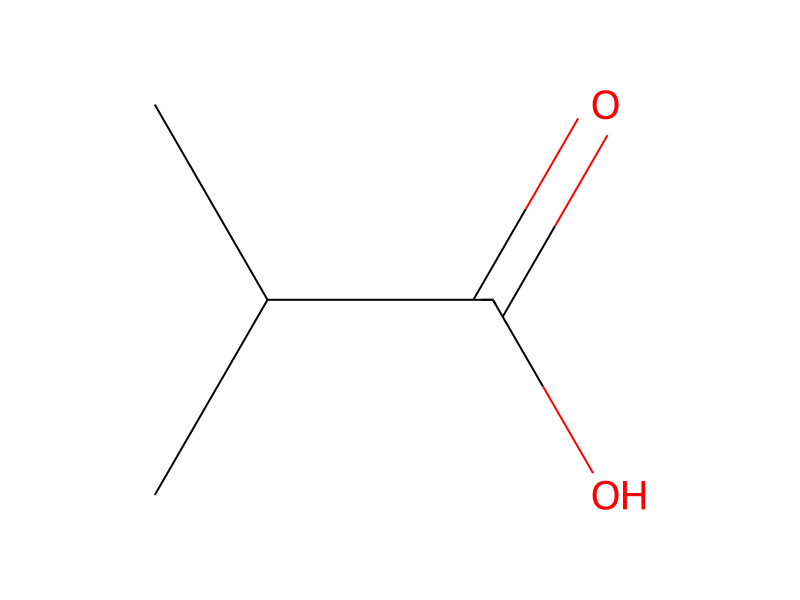
HCID 313Hydrochloric AcidHCID 6590Isobutyric AcidHCID 14798Sodium HydroxideHCID 203480123-Bromo-5-nitrobenzene-1,2-diamine

Produkt 1

HCID 866878464-bromo-2-isopropyl-6-nitro-1H-benzo[d]imidazoleAusbeute 85,7 %

Reaktionsbedingungen

Temperatur
105 °C

Versuchsvorschrift

A mixture of 3-bromo-5-nitrobenzene-1,2-diamine (4 g, 17.24 mmol) and isobutyric acid (7.99 ml, 86 mmol) in 3M HCl (100 ml, 300 mmol) was heated to 105° C. for 5 days. The mixture was allowed to cool to room temperature and was poured into chilled 5M Sodium Hydroxide (60.0 ml, 300 mmol) solution. The resulting mixture was allowed to stand in an ice bath and the brown solid that precipitated was collected by filtration. The solid was washed several times with H2O and then dried in a vacuum oven at 50° C. leaving desired product as a dark solid (4.2 g, 71% yield). MS (ES+) m/e: 283.0, 284.0 [M+H]+

Aufarbeitung

  1. temperatureto cool to room temperature
  2. additionwas poured
  3. customto stand in an ice bath
  4. filtrationthe brown solid that precipitated was collected by filtration
  5. washThe solid was washed several times with H2O
  6. customdried in a vacuum oven at 50° C.

Quellen und Nachweise

ORD-Eintrag
ord-86ef37f8240844b58392e7fa2ecd8a8b
Quelldatensatz
uspto-grants-2014_07
DOI
10.6084/m9.figshare.5104873.v1
Patentnummer
US08778937B2

Notizen zur Reaktion

Auf dieser SeiteKomponentenReaktionsbedingungenVersuchsvorschriftAufarbeitungQuellen und NachweiseNotizen zur Reaktion