Reaktionsgleichung

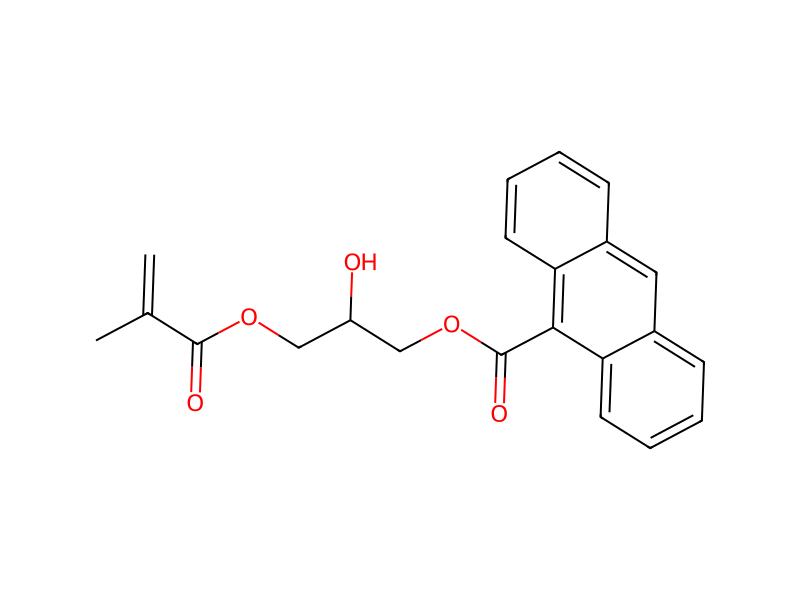
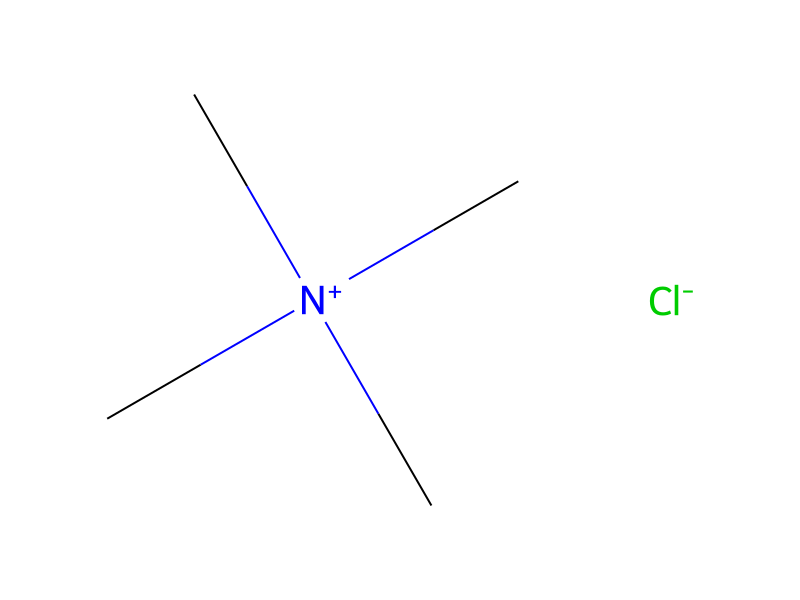
[CH:1]1[C:14]2[C:5](=[CH:6][C:7]3[C:12]([C:13]=2[C:15]([OH:17])=[O:16])=[CH:11][CH:10]=[CH:9][CH:8]=3)[CH:4]=[CH:3][CH:2]=1.[C:18]([O:23][CH2:24][CH:25]1[O:27][CH2:26]1)(=[O:22])[C:19]([CH3:21])=[CH2:20].C(C1C(O)=C(C(C)(C)C)C=C(C)C=1)(C)(C)C>[Cl-].C[N+](C)(C)C>[CH:11]1[C:12]2[C:7](=[CH:6][C:5]3[C:14]([C:13]=2[C:15]([O:17][CH2:26][CH:25]([OH:27])[CH2:24][O:23][C:18](=[O:22])[C:19]([CH3:21])=[CH2:20])=[O:16])=[CH:1][CH:2]=[CH:3][CH:4]=3)[CH:8]=[CH:9][CH:10]=1Komponenten
5
Edukt 3
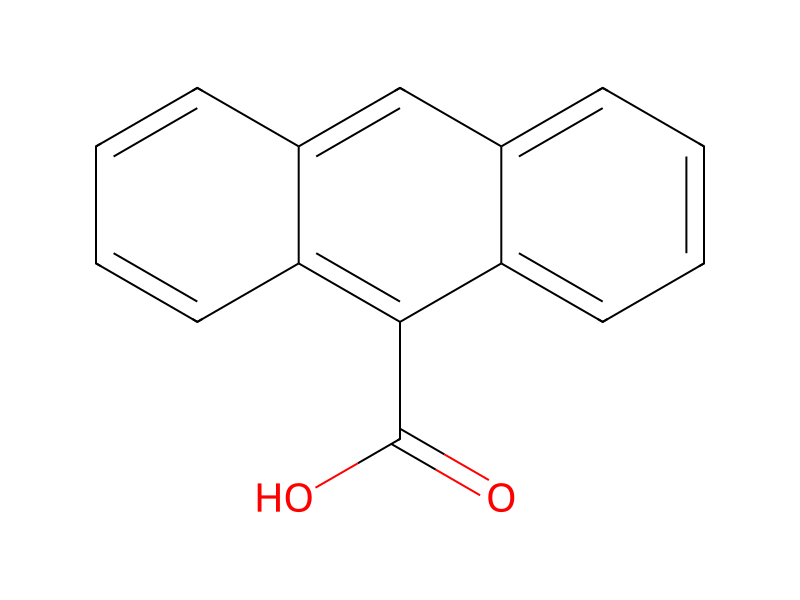
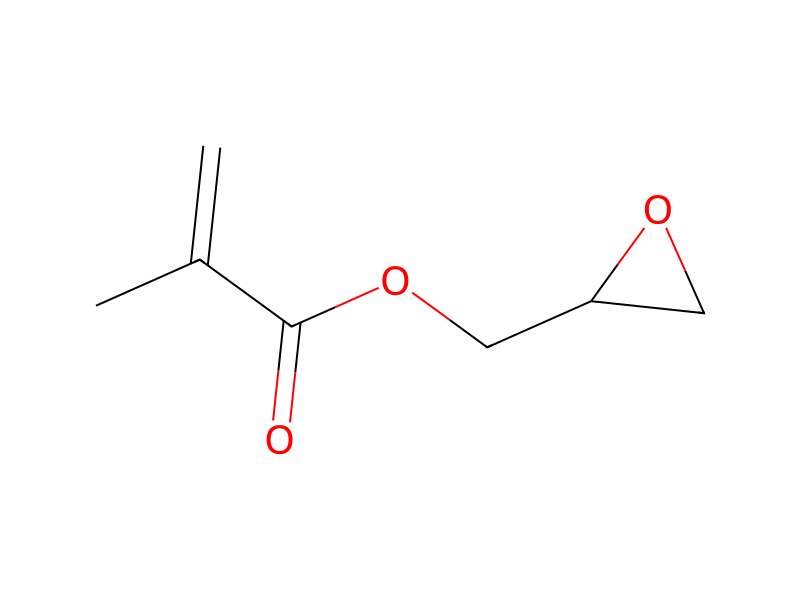

Produkt 1
Reagenzien, Katalysatoren, Lösungsmittel 1
Reaktionsbedingungen
- Temperatur
- 100 °C
Versuchsvorschrift
Anthracene-9-carboxylic acid (50 g) was added over 30 minutes with stirring to glycidyl methacrylate (33.9 g, epoxide content 6.6 equiv./kg) containing 0.13 g of 2,6-di-tert.butyl-p-cresol and 0.25 g of tetramethylammonium chloride and heated to 100° C. Heating at 100° C. was continued for a further 4 hours, by which time the epoxide content of the mixture had fallen to a negligibly low value. The resultant product was a brown, glassy solid.
Aufarbeitung
- temperatureHeating at 100° C.
Quellen und Nachweise
- ORD-Eintrag
- ord-e544f4574f9a4608bc2bd891f9a1fe9c
- Quelldatensatz
- uspto-grants-1983_11
- Patentnummer
- US04413052
Verknüpfte Notizen
Wird geladen…