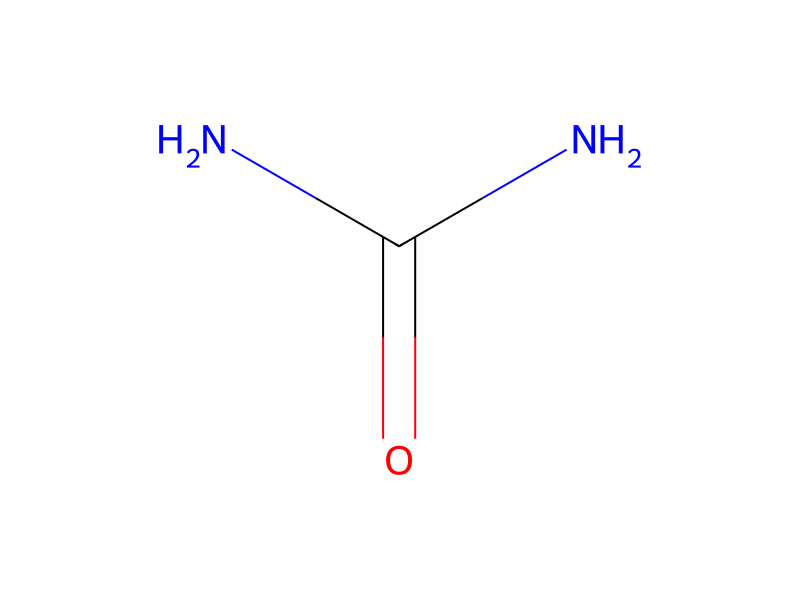
Hydrochloric Acid → Formaldehyde;phenol
HRID 1648978
Reaktionsgleichung

Cl.C=O.[C:4]1([OH:10])[CH:9]=[CH:8][CH:7]=[CH:6][CH:5]=1.NC(N)=O.Cl.C=O>>[CH2:4]=[O:10].[C:4]1([OH:10])[CH:9]=[CH:8][CH:7]=[CH:6][CH:5]=1Komponenten
6
Cl.C=O.[C:4]1([OH:10])[CH:9]=[CH:8][CH:7]=[CH:6][CH:5]=1.NC(N)=O.Cl.C=O>>[CH2:4]=[O:10].[C:4]1([OH:10])[CH:9]=[CH:8][CH:7]=[CH:6][CH:5]=1One thousand grams of mixed aqueous solutions containing 18% by weight of hydrochloric acid and 8% by weight of formaldehyde and heated respectively to 30°, 60°, 80° and 98° C. were prepared respectively in four 2-liter separable flasks. Then, 100 g of a mixed aqueous solution containing 20% by weight of phenol, 15% by weight of urea and 24% by weight of formaldehyde was added dropwise to each of the HCl-formaldehyde aqueous solutions over 30 seconds through a dropping funnel fitted to each separable flask. When the temperature of the HCl-formaldehyde solution was 60°, 80° and 98° C. respectively, white suspended particles formed as soon as the phenol-formaldehyde solution was added dropwise, and a white slurry-like product was formed. In particular, when the temperature of the HCl-formaldehyde bath was 98° C., the reaction proceeded within a very short period of time and a large amount of a secondary, relatively strongly agglomerated mass of granules or a powder was seen to form.