Sodium Azide → 4-(2-Naphthoyl)-3,5-dichlorobenzyl azide
HRID 1650191
Reaktionsgleichung

[CH:1]1[C:10]2[C:5](=[CH:6][CH:7]=[CH:8][CH:9]=2)[CH:4]=[CH:3][C:2]=1[C:11]([C:13]1[C:20]([Cl:21])=[CH:19][C:16]([CH2:17]Br)=[CH:15][C:14]=1[Cl:22])=[O:12].[N-:23]=[N+:24]=[N-:25].[Na+]>C(O)C>[CH:1]1[C:10]2[C:5](=[CH:6][CH:7]=[CH:8][CH:9]=2)[CH:4]=[CH:3][C:2]=1[C:11]([C:13]1[C:20]([Cl:21])=[CH:19][C:16]([CH2:17][N:23]=[N+:24]=[N-:25])=[CH:15][C:14]=1[Cl:22])=[O:12]Komponenten
4
Edukt 2
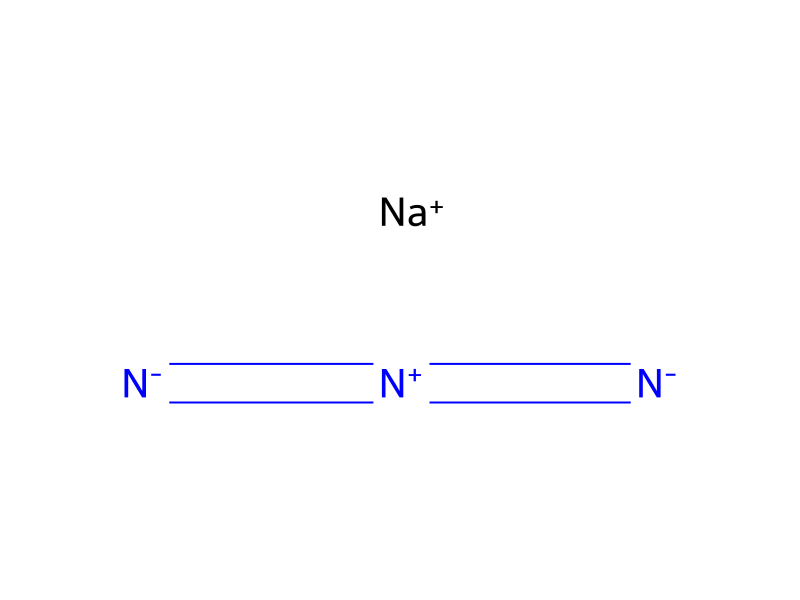

Produkt 1

Reagenzien, Katalysatoren, Lösungsmittel 1

Versuchsvorschrift
A suspension of 4-(2-naphthoyl)-3,5-dichlorobenzyl bromide (0.633 g, 1.61 mmol) and sodium azide (0.245 g, 3.77 mmol) in 10 ml of ethanol was heated at reflux for 3 hours. The reaction mixture was filtered and the precipitate rinsed with ethanol. The filtrate was concentrated and the residue redissolved in ether. The resulting precipitate was collected and washed thoroughly with ether. Concentration afforded 0.594 g of an oil which slowly crystallized. The crude azide was used in the next step without any further purification.