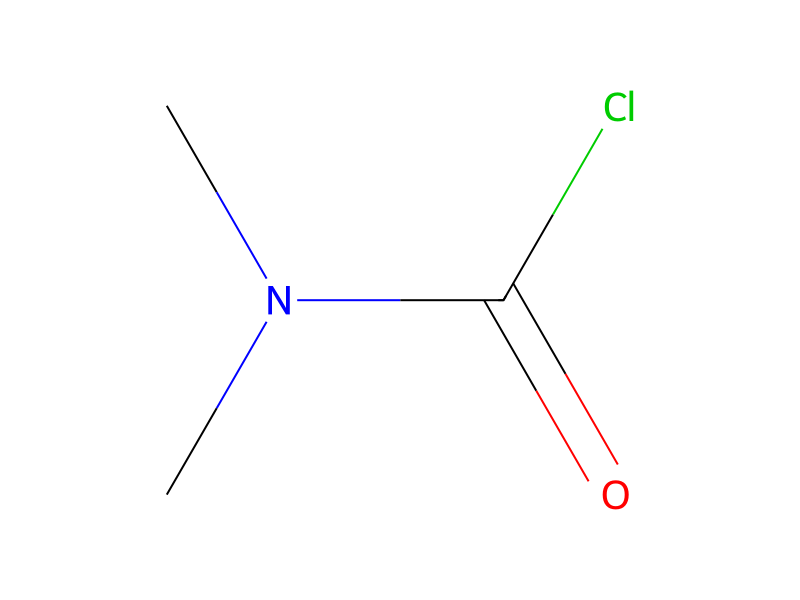
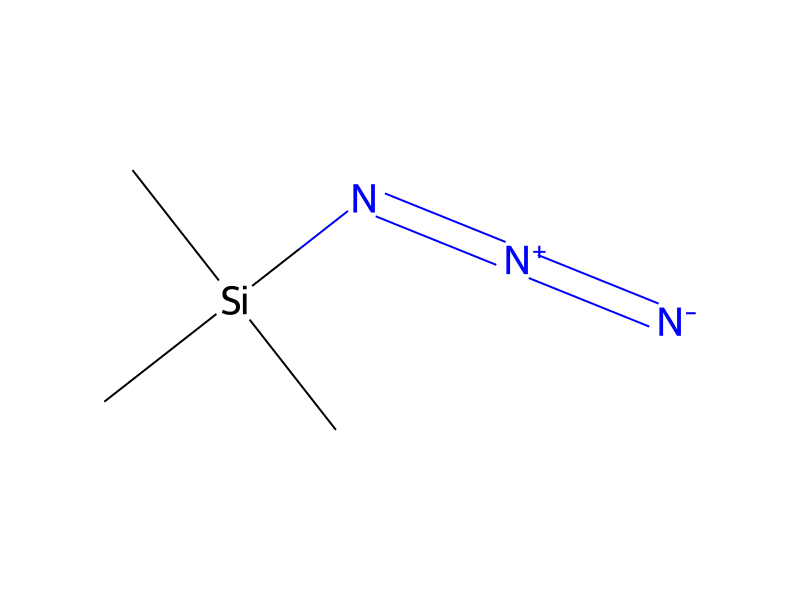
[CH2:1]([O:8][C:9]1[CH:14]=[CH:13][CH:12]=[N+:11]([O-])[C:10]=1[C:16]([O:18][CH3:19])=[O:17])[C:2]1[CH:7]=[CH:6][CH:5]=[CH:4][CH:3]=1.C[Si]([N:24]=[N+:25]=[N-:26])(C)C.CN(C)C(Cl)=O.C(=O)([O-])O.[Na+]>C(#N)C>[N:24]([C:12]1[N:11]=[C:10]([C:16]([O:18][CH3:19])=[O:17])[C:9]([O:8][CH2:1][C:2]2[CH:7]=[CH:6][CH:5]=[CH:4][CH:3]=2)=[CH:14][CH:13]=1)=[N+:25]=[N-:26]To an acetonitrile (70 ml) solution of 10 g (38.57 mmol) of methyl 3-benzyloxypicolinate N-oxide in a 200 ml round bottomed flask, 8.9 g (7.7 mmol) of trimethylsilylazide and 4.1 g (38.57 mmol) of N,N-dimethylcarbamoyl chloride were added, and the mixture was refluxed for 12 hours. Then, 4.4 g (38.5 mmol) of trimethylsilylazide and 2.1 g (19.3 mmol) of N,N-dimethylcarbamoyl chloride were further added, and the mixture was refluxed for 12 hours. After cooling, the reaction mixture was gradually added to an ice-cooled saturated sodium hydrogen carbonate aqueous solution. Formed crystals were collected by filtration, washed with water, then dissolved in dichloromethane, dried and concentrated, and then recrystallized from ethanol to obtain 7.0 g (yield: 64%) of the desired product.