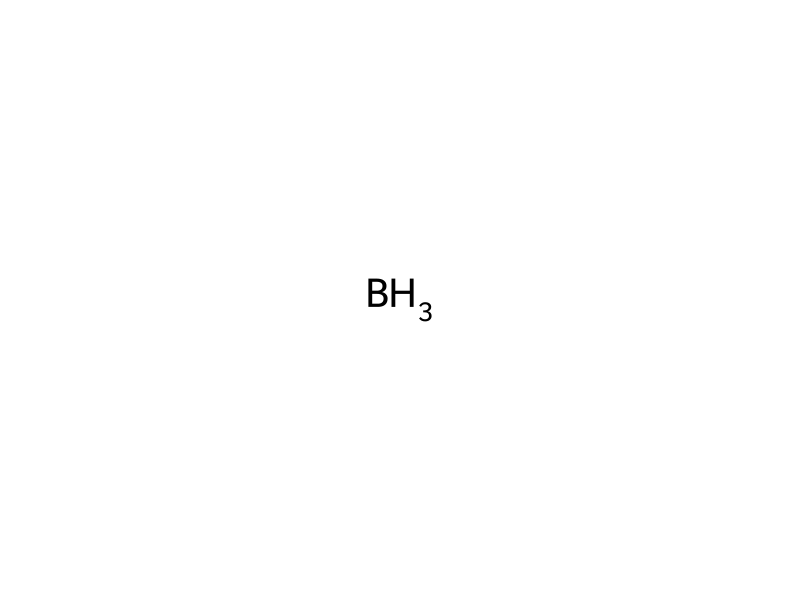
N-(p-Toluenesulfonyl)-L-aspartic acid, 1, (110 g) was dissolved in tetrahydrofuran (300 mL) and the solution cooled to -5° C. under a nitrogen atmosphere. A 1.0M solution of borane in tetrahydrofuran was added dropwise over 1 hour at 0 to -5° C. and the resulting solution stirred at 20° to 25° C. overnight. The solution was recooled to 0° C. and methanol (250 mL) was added dropwise over 30 minutes (caution! gas evolution). The solution was concentrated under vacuum to an oil which was redissolved in methanol (1L) and the solution heated at reflux 1 hour. This solution was concentrated under vacuum to give a solid which was redissolved in methanol (1L) and this solution heated at reflux for 2 hours. Finally the solution was concentrated to a solid which was dried under vacuum at 50° C. to give (S)-2-(p-toluenesulfonylamino)-1,4-butanediol, 2, as an off white solid (97 g, 98%) which was used directly in the next step without further purification. A portion was recrystallized from isopropyl alcohol and hexanes: mp 90°-92° C.