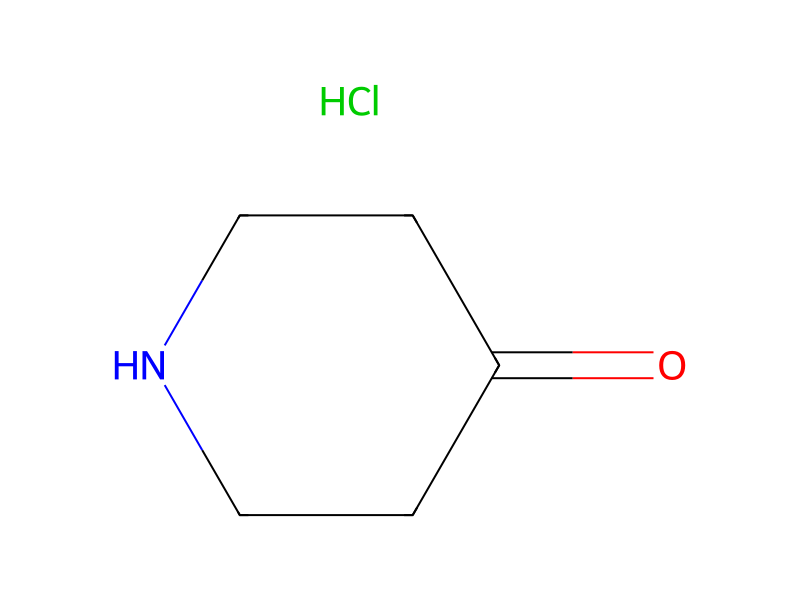
[F:1][C:2]1([F:13])[O:6][C:5]2[CH:7]=[CH:8][CH:9]=[C:10]([NH:11]N)[C:4]=2[O:3]1.Cl.[NH:15]1[CH2:20][CH2:19][C:18](=O)[CH2:17][CH2:16]1.Cl>C(O)C.O1CCOCC1>[F:1][C:2]1([F:13])[O:6][C:5]2[CH:7]=[CH:8][C:9]3[C:17]4[CH2:16][NH:15][CH2:20][CH2:19][C:18]=4[NH:11][C:10]=3[C:4]=2[O:3]1The (2,2-difluoro-benzo[1,3]dioxol-4-yl)-hydrazine (753 mg, 4.00 mmol) and 4-piperidone hydrochloride (543 mg, 4.00 mmol) in ethanol (10 mL) were heated to reflux for 45 min. The 4M HCl in dioxane (2 mL) was added and heating continued for 2 h. A sample was removed and after bubbling HCl gas briefly was heated in the microwave to 110° C. for 10 min. The rest of the material was processed in 5 batches and the combined black reactions filtered, washed with a little water and then precipitation with Et2O:Hexane 1:2 (c.f. 10 mL) before drying the resulting grey solid (147 mg, 13% yield)
Wird geladen…