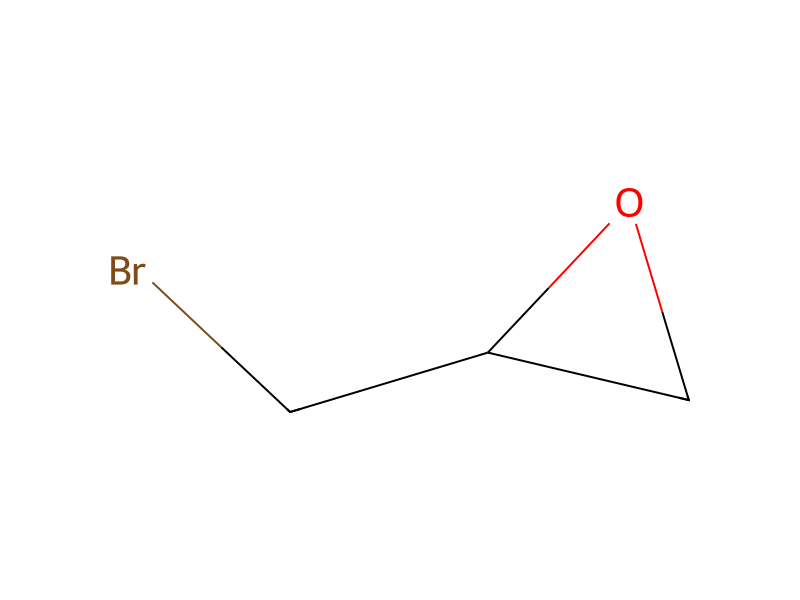
[C:1]1([N:7]2[C:15]3[C:10](=[CH:11][CH:12]=[CH:13][CH:14]=3)[C:9]([CH:16]=[O:17])=[C:8]2[N:18]2[CH2:23][CH2:22][NH:21][CH2:20][CH2:19]2)[CH:6]=[CH:5][CH:4]=[CH:3][CH:2]=1.[CH2:24]([CH:26]1[O:28][CH2:27]1)Br.C(=O)([O-])[O-].[K+].[K+]>C(#N)C>[O:28]1[CH2:27][CH:26]1[CH2:24][N:21]1[CH2:22][CH2:23][N:18]([C:8]2[N:7]([C:1]3[CH:2]=[CH:3][CH:4]=[CH:5][CH:6]=3)[C:15]3[C:10]([C:9]=2[CH:16]=[O:17])=[CH:11][CH:12]=[CH:13][CH:14]=3)[CH2:19][CH2:20]1A stirred mixture of 1-phenyl-2-(piperazin-1-yl)-1H-indole-3-carboxaldehyde (438 mg, 1.37 mmol), epibromohydrin (188 mg, 1.37 mmol), potassium carbonate (758 mg, 5.49 mmol) and acetonitrile (20 ml) is heated at reflux for 2.5 hr. The reaction is cooled and the solids are removed by filtration. The filtrate is concentrated and the residue is purified by chromatography eluting with dichloromethane-1 to 5% methanol. Fractions containing the desired product are combined and concentrated to afford 2-(4-oxiranylmethylpiperazin-1-yl)-1-phenyl-1H-indole-3-carboxaldehyde (41% yield) as a yellow solid. LC/MS: MS 376 (M+H); RT 2.65 min; NMR (CDCl3): 10.28 (1H, s), 8.26 (1H, d), 7.43-7.65 (3H, m), 7.17-7.42 (3H, m), 7.13 (1H, t), 6.96 (1H, d), 3.49 (4H, m), 3.03 (1H, m), 2.56-2.86 (4H, m), 2.30-2.50 (2H, m), 1.74 (2H, m), 1.56 (2H, s).