Reaktionsgleichung

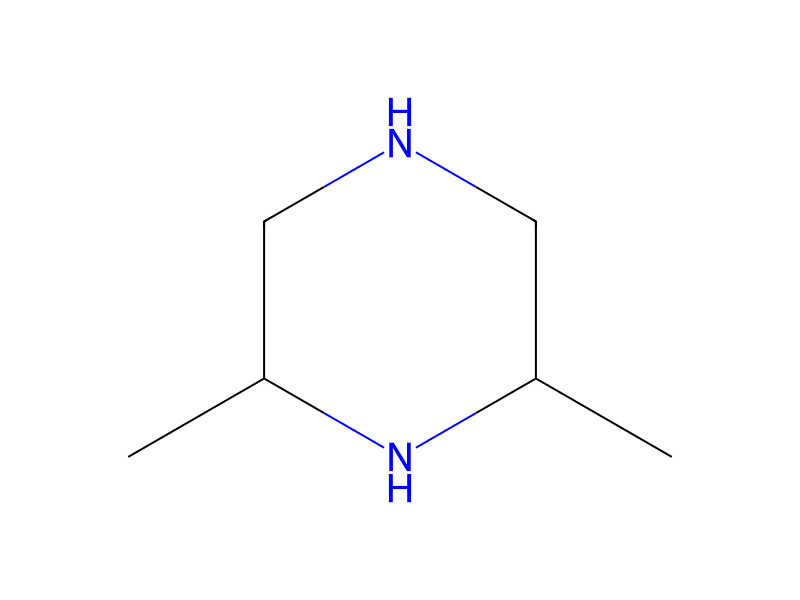
Cl[C:2]1[N:3]([C:13]2[CH:18]=[CH:17][CH:16]=[CH:15][CH:14]=2)[C:4]2[C:9]([C:10]=1[CH:11]=[O:12])=[CH:8][CH:7]=[CH:6][CH:5]=2.[CH3:19][CH:20]1[CH2:25][NH:24][CH2:23][CH:22]([CH3:26])[NH:21]1>>[CH3:19][CH:20]1[NH:21][CH:22]([CH3:26])[CH2:23][N:24]([C:2]2[N:3]([C:13]3[CH:18]=[CH:17][CH:16]=[CH:15][CH:14]=3)[C:4]3[C:9]([C:10]=2[CH:11]=[O:12])=[CH:8][CH:7]=[CH:6][CH:5]=3)[CH2:25]1Komponenten
3


Versuchsvorschrift
2-Chloro-1-phenyl-1H-indole-3-carboxaldehyde is reacted with 2,6-dimethylpiperazine as described in Step 2 of Example 29 to afford 2-(3,5-dimethylpiperazin-1-yl)-1-phenyl-1H-indole-3-carboxaldehyde as a solid. The solid is dissolved in methanol, treated with 1M ethereal hydrochloric acid and concentrated. The residue triturated with ether to give 2-(3,5-dimethylpiperazin-1-yl)-1-phenyl-1H-indole-3-carboxaldehyde hydrochloride (74% yield) as a purple solid. ESI/MS 334 (M+H); RT=2.52 min.
Quellen und Nachweise
- ORD-Eintrag
- ord-4e6cda34d409414290ed4730510d6e1c
- Quelldatensatz
- uspto-grants-2011_08
- Patentnummer
- US08008491B2
Verknüpfte Notizen
Wird geladen…