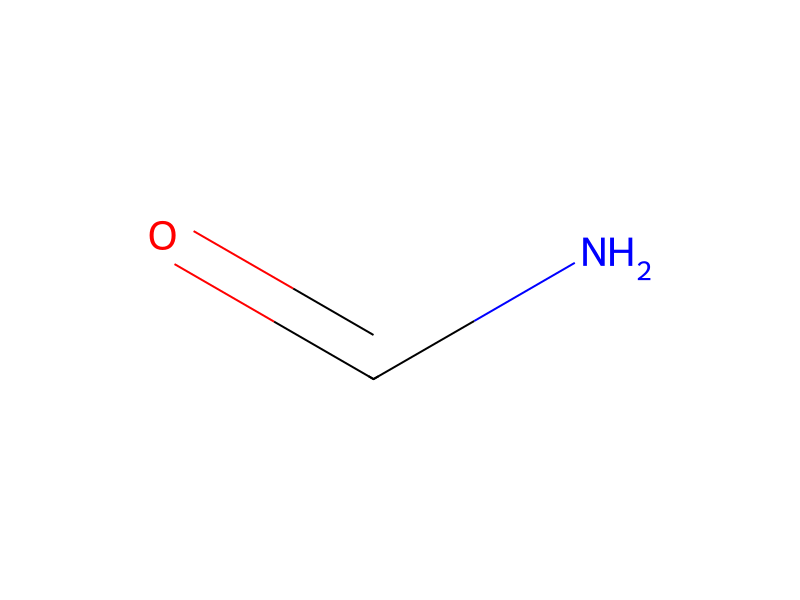
C[N:2]([C:18]1[C:23]([C:24]#[N:25])=[CH:22][C:21]([O:26][CH3:27])=[C:20]([O:28][CH3:29])[CH:19]=1)[C:3]([N:5]1[CH2:10][CH2:9][N:8]([C:11]([C:13]2[O:14][CH:15]=[CH:16][CH:17]=2)=[O:12])[CH2:7][CH2:6]1)=S.[Cl-:30].[NH4+:31]>C(N)=O>[CH3:27][O:26][C:21]1[CH:22]=[C:23]2[C:24]([NH2:25])=[N:31][C:3]([N:5]3[CH2:6][CH2:7][N:8]([C:11]([C:13]4[O:14][CH:15]=[CH:16][CH:17]=4)=[O:12])[CH2:9][CH2:10]3)=[N:2][C:18]2=[CH:19][C:20]=1[O:28][CH3:29].[ClH:30]275 g (0.66 moles) of methyl-N-(3,4-dimethoxy-6-cyanophenyl)-[4-(2-furoyl)-1-piperazinyl]thioformamidate is dissolved in 3000 ml of formamide, and 1375 g (25.7 moles) of ammonium chloride is added while stirring. Thereafter, the reaction mixture is heated for 15-20 hours at 120° C., while stirring and also feeding nitrogen gas in order to remove the methane thiol produced (can be absorbed into a sodium hypochlorite solution). The prazosine hydrochloride produced gradually crystallizes out from the reaction mixture. After the reaction has ceased, 3-4 kg of ice is added to the mixture. The product is filtered, washed with cold water and acetone, and dried. Yield 254-259 g (93-95%). Purity 99.5% (HPLC). The product is crystallized out from about 10 liters of a mixture of water and ethanol (15:50). Yield 232-235 g (85-86%). Purity 99.7-99.8% (HPLC). The IR, NMR and mass spectra of the product are identical to the corresponding spectra of prazosine hydrochloride produced by methods previously described in the literature.