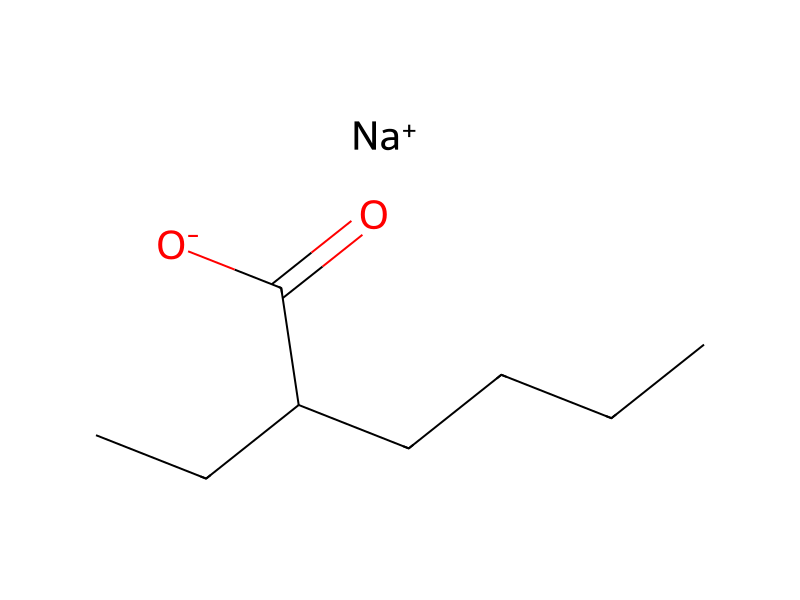
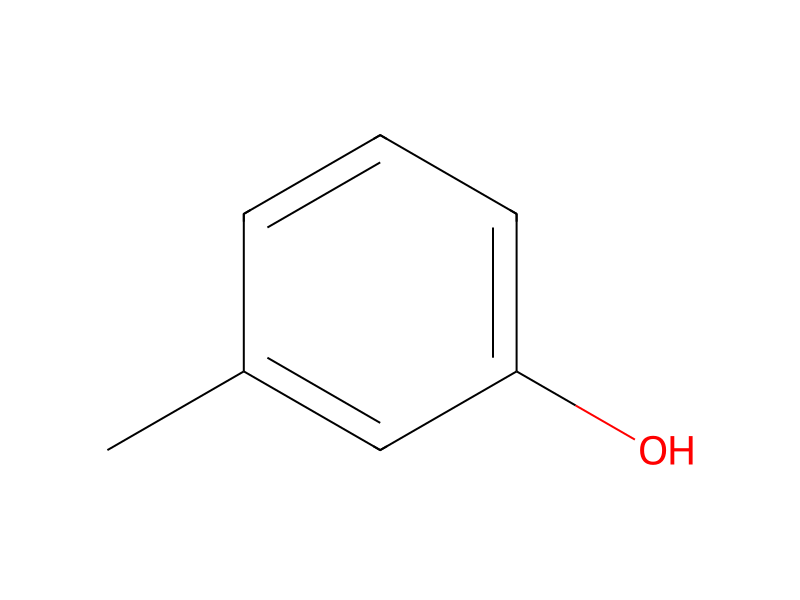
Methyl Isobutyl Ketone → Sodium (Z)-(2S,3S,5R)-3-(2-cyanoethenyl)-3-methyl-4,4,7-trioxo-4-thia-1-aza-bicyclo[3.2.0]heptane-2-carboxylate
HRID 1683167
Reaktionsgleichung
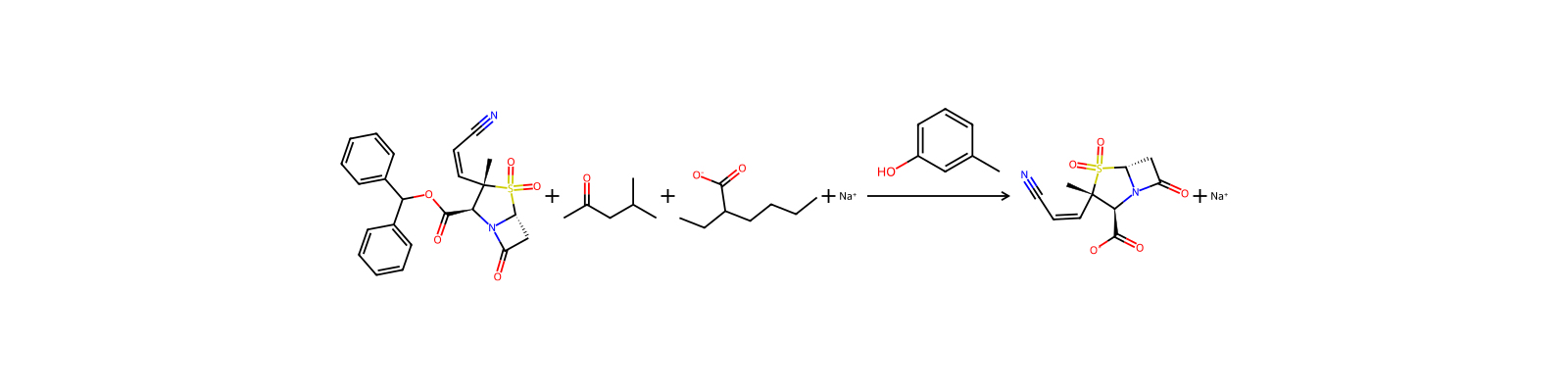
[C:1](/[CH:3]=[CH:4]\[C@:5]1([CH3:31])[S:11](=[O:13])(=[O:12])[C@H:10]2[N:7]([C:8](=[O:14])[CH2:9]2)[C@H:6]1[C:15]([O:17]C(C1C=CC=CC=1)C1C=CC=CC=1)=[O:16])#[N:2].CC(CC(C)C)=O.C(C(CCCC)C([O-])=O)C.[Na+:49]>C1C(O)=CC=CC=1C>[C:1](/[CH:3]=[CH:4]\[C@:5]1([CH3:31])[S:11](=[O:13])(=[O:12])[C@H:10]2[N:7]([C:8](=[O:14])[CH2:9]2)[C@H:6]1[C:15]([O-:17])=[O:16])#[N:2].[Na+:49]Komponenten
5