Ammonium Chloride → HCID 66906874, Verbindung
Reaktionsgleichung

[CH3:1][O:2][CH2:3][CH2:4][CH2:5][O:6][C:7]1[CH:8]=[C:9]([CH:12]=[CH:13][C:14]=1[O:15][Si:16]([CH:23]([CH3:25])[CH3:24])([CH:20]([CH3:22])[CH3:21])[CH:17]([CH3:19])[CH3:18])[CH:10]=[O:11].[CH3:26][Mg]Cl.[Cl-].[NH4+]>O1CCCC1>[CH3:1][O:2][CH2:3][CH2:4][CH2:5][O:6][C:7]1[CH:8]=[C:9]([CH:10]([OH:11])[CH3:26])[CH:12]=[CH:13][C:14]=1[O:15][Si:16]([CH:23]([CH3:25])[CH3:24])([CH:20]([CH3:22])[CH3:21])[CH:17]([CH3:18])[CH3:19]Komponenten
5
Edukt 3


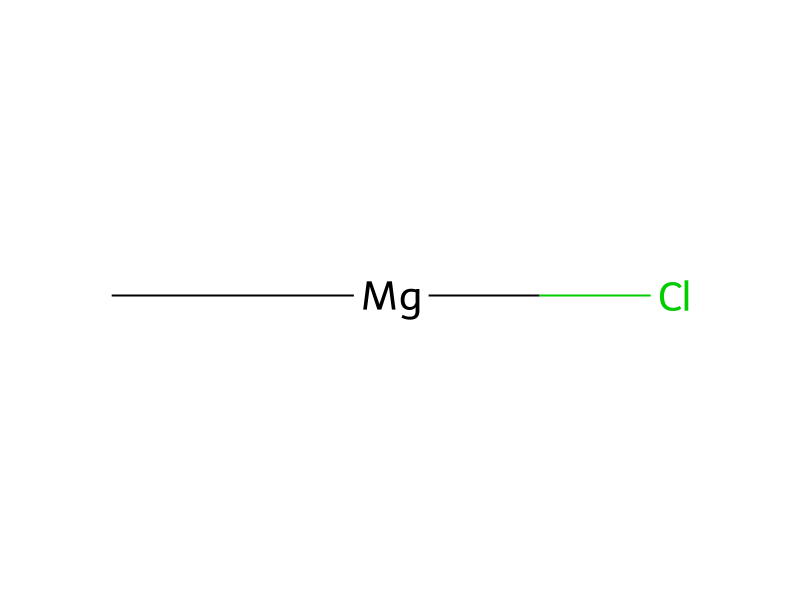
Produkt 1

Reagenzien, Katalysatoren, Lösungsmittel 1

Reaktionsbedingungen
- Temperatur
- 0 °C
Versuchsvorschrift
3-(3-methoxypropoxy)-4-[(triisopropylsilyl)oxy]benzaldehyde (12 g, 32.7 mmol) was dissolved in tetrahydrofuran (300 mL) and the solution was cooled to 0° C. Methyl magnesium chloride (109 mL, 327 mmol) was added dropwise. The temperature was then allowed to rise to room temperature and the mixture was stirred an hour. At 0° C., saturated aqueous ammonium chloride was added to hydrolyze the reaction mixture. The aqueous layer was extracted twice with ethyl acetate. The combined organic layers were washed with brine, dried over anhydrous sodium sulfate, filtered and evaporated under reduced pressure to yield 12.5 g (quantitative yield) of the desired product as a yellow oil.
Aufarbeitung
- customto rise to room temperature
- extractionThe aqueous layer was extracted twice with ethyl acetate
- washThe combined organic layers were washed with brine
- dry with materialdried over anhydrous sodium sulfate
- filtrationfiltered
- customevaporated under reduced pressure
Quellen und Nachweise
- ORD-Eintrag
- ord-94985d641689469684fb226d91bbfb11
- Quelldatensatz
- uspto-grants-2012_04
- Patentnummer
- US08153647B2
Notizen zur Reaktion
Wird geladen…