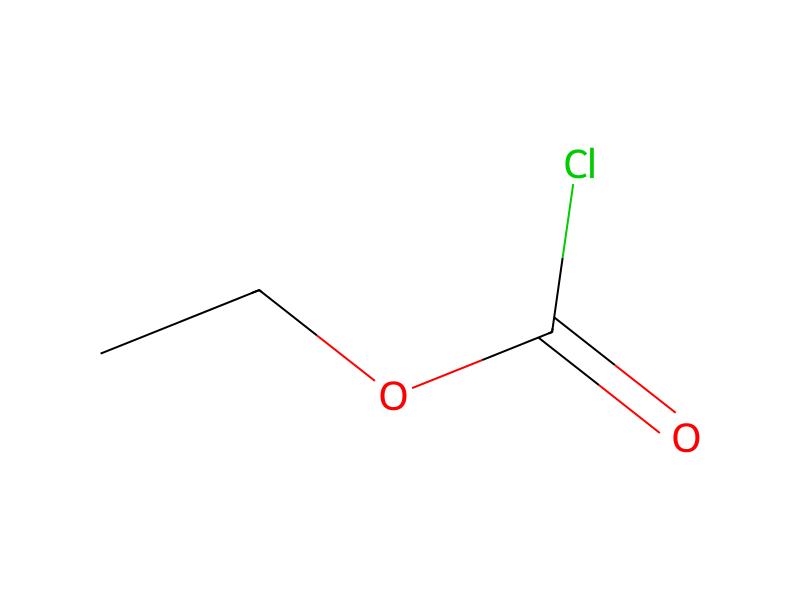
CC1(C)[O:9][CH:8]2[CH:4]([CH:5]([CH2:18][OH:19])[O:6][CH:7]2[N:10]2[C:16](=[O:17])[NH:15][C:13](=[O:14])[CH:12]=[CH:11]2)[O:3]1.[CH2:21]([O:23][C:24](Cl)=[O:25])[CH3:22].C(Cl)(Cl)Cl.CO>N1C=CC=CC=1>[CH2:21]([O:23][C:24]([C@@:7]1([N:10]2[CH:11]=[CH:12][C:13](=[O:14])[NH:15][C:16]2=[O:17])[O:6][C@H:5]([CH2:18][OH:19])[C@@H:4]([OH:3])[C@H:8]1[OH:9])=[O:25])[CH3:22]To an ice cold solution of 0.5 grams (1.76 millimoles) grams of 2′, 3′-isopropylidene uridine in 10 ml pyridine, 2.64 mmoles (1.5 equivalents) of ethylchloroformate was added dropwise while stirring. The reaction was allowed to warm up to room temperature (25° C.) and stirred overnight (18 hours), at which point TLC (9:1 chloroform/methanol) showed complete conversion of starting material to a single product. The solvent was removed by rotary evaporation under high vacuum, giving a light beige syrup which was carried over into the subsequent deprotection step.