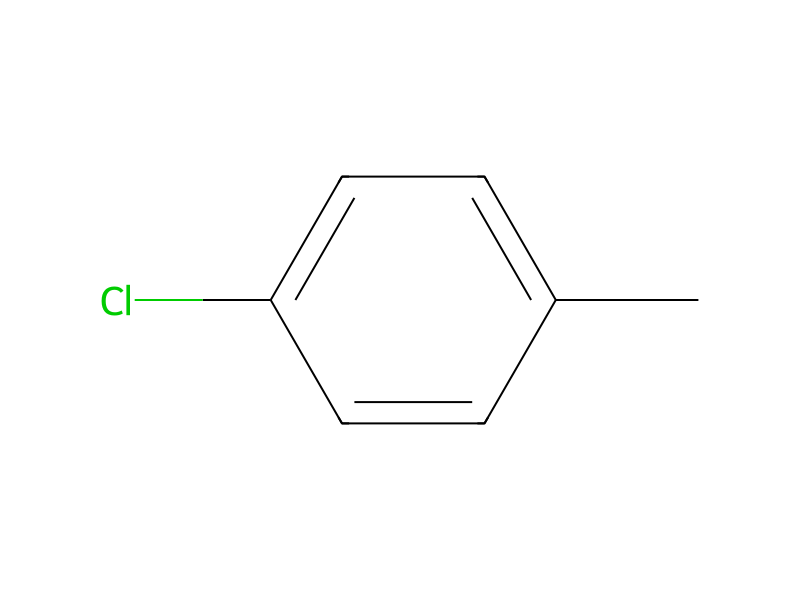
4-Chlorotoluene → 3-Hydroxy-4-(p-toluyloxy)phenyl isopropylaminomethyl ketone
Reaktionsgleichung

Cl.[CH:2]([NH:5][CH2:6][C:7]([C:9]1[CH:14]=[CH:13][C:12]([OH:15])=[C:11]([OH:16])[CH:10]=1)=[O:8])([CH3:4])[CH3:3].[C:17]1([CH3:24])[CH:22]=[CH:21][C:20](Cl)=[CH:19][CH:18]=1>>[CH:2]([NH:5][CH2:6][C:7]([C:9]1[CH:14]=[CH:13][C:12]([O:15][C:20]2[CH:21]=[CH:22][C:17]([CH3:24])=[CH:18][CH:19]=2)=[C:11]([OH:16])[CH:10]=1)=[O:8])([CH3:4])[CH3:3]Komponenten
3


Versuchsvorschrift
Following the procedure described above in Example 58A but using 3,4-dihydroxyphenyl isopropylaminomethyl ketone hydrochloride instead of 3,4-dihydroxyphenyl tert-butylaminomethyl ketone hydrochloride and p-toluyl chloride instead of isovaleryl chloride, there is obtained 3-hydroxy-4-(p-toluyloxy)phenyl isopropylaminomethyl ketone; and by interaction of this base with hydrochloric acid there is obtained the hydrochloride salt. When this hydrochloride is catalytically hydrogenated, using a procedure similar to that described above in Example 2B, there is obtained 3-hydroxy-4-(p-toluyloxy)-alpha-(isopropylaminomethyl)benzyl alcohol hydrochloride.
Quellen und Nachweise
- ORD-Eintrag
- ord-3a8fe3d763624e57b5cf501028df3c0d
- Quelldatensatz
- uspto-grants-1980_03
- Patentnummer
- USRE030241
Notizen zur Reaktion
Wird geladen…