Hydrochloric Acid → N-(1,2-Diethylpyrazolidin-4-yl)-4-fluorobenzamide
HRID 1706397
Reaktionsgleichung

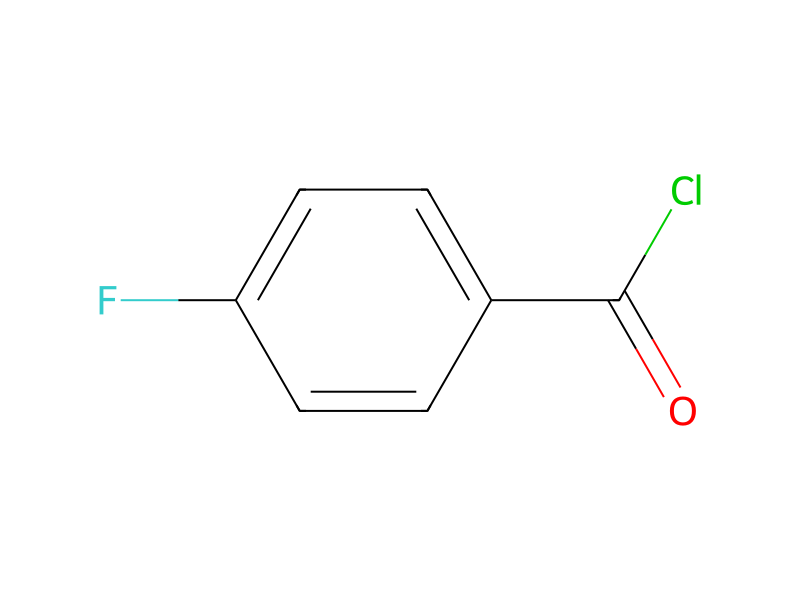
C(O)(=O)/C=C\C(O)=O.[CH2:9]([N:11]1[CH2:15][CH:14]([N:16]2C(=O)[C:19]3=[CH:22][CH:23]=[CH:24][CH:25]=[C:18]3[C:17]2=[O:26])[CH2:13][N:12]1[CH2:27][CH3:28])[CH3:10].Cl.[F:30]C1C=CC(C(Cl)=O)=CC=1>>[F:30][C:23]1[CH:22]=[CH:19][C:18]([C:17]([NH:16][CH:14]2[CH2:15][N:11]([CH2:9][CH3:10])[N:12]([CH2:27][CH3:28])[CH2:13]2)=[O:26])=[CH:25][CH:24]=1Komponenten
4



Versuchsvorschrift
A solution of 10 g. (0.026 mole) of 1,2-diethyl-4-phthalimidopyrazolidine maleate in 25 ml. of 6 N hydrochloric acid was refluxed two hours, the resulting mixture was cooled and filtered. The filter cake was washed with water which was combined with the acidic solution. The acidic solution was made basic with dilute sodium hydroxide and cooled with ice. To the resulting solution was added 8.2 g. (0.052 mole) of p-fluorobenzoyl chloride and the mixture shaken for 10 minutes. The resulting mixture was extracted with chloroform, the chloroform diluted with an equal volume of isopropyl ether and the resulting solution extracted with dilute hydrochloric acid. The acid layer was made basic with dilute sodium hydroxide and extracted with chloroform. The chloroform was dried (sodium sulfate) and concentrated. The residue was crystallized from isooctaneisopropyl ether and recrystallized from isooctaneisopropyl ether containing a few drops of ethyl acetate and clarified by charcoal treatment. The product (2.0 g; 29%) melted at 114°-116° C.