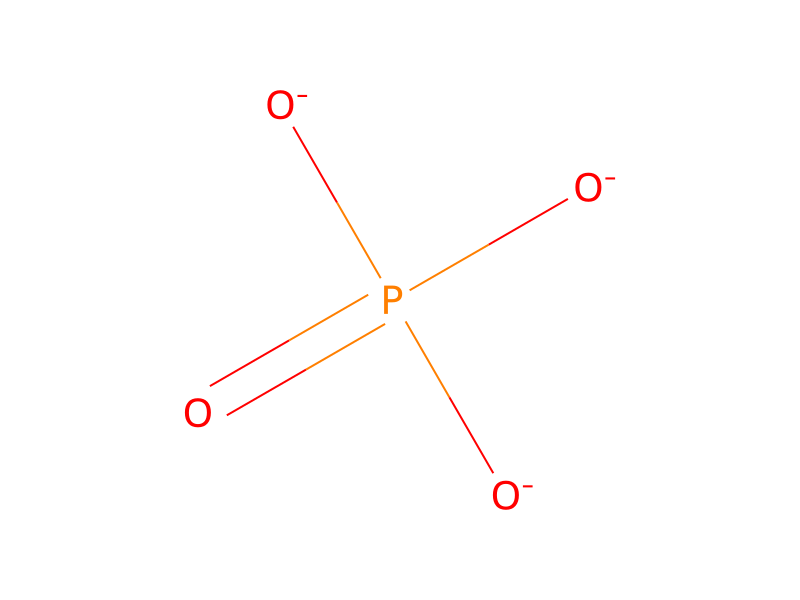
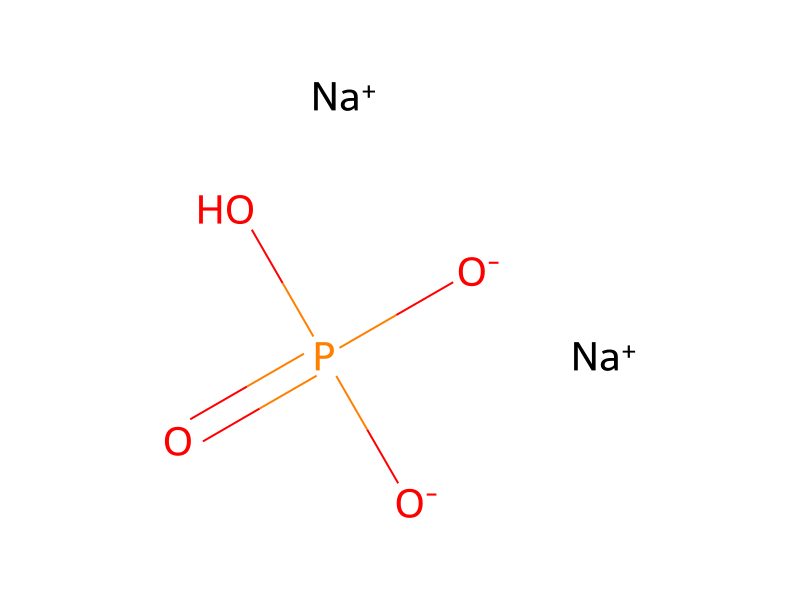
[Cl:1][C:2]1[CH:3]=[C:4]2[C:9](=[CH:10][CH:11]=1)[C:8]([O:12][C:13](=[O:15])[CH3:14])=[C:7]([O:16][CH3:17])[C:6]([O:18][CH3:19])=[C:5]2[O:20]C(=O)C.P([O-])([O-])([O-])=O.P([O-])([O-])(O)=O.[Na+].[Na+]>C(#N)C>[Cl:1][C:2]1[CH:3]=[C:4]2[C:9](=[CH:10][CH:11]=1)[C:8]([O:12][C:13](=[O:15])[CH3:14])=[C:7]([O:16][CH3:17])[C:6]([O:18][CH3:19])=[C:5]2[OH:20]Ten grams of 6-chloro-2,3-dimethoxy-1,4-diacetyloxynaphthalene, 150 ml of 0.05M, pH 8, phosphate buffer solution and 150 ml of acetonitrile were heated at 80° C. for 10 days. The reaction was monitored by TLC. Additional disodium hydrogen phosphate was added to maintain the reaction mixture at pH 8. The reaction mixture was cooled and solvent evaporated and the resultant residue was extracted with ethyl acetate (3×), washed with 1M HCl (2×) and brine (2×). The solution was dried over sodium sulfate, filtered and evaporated. The residue which is an isomeric mixture was recrystallized from petroleum ether and gave 2.0 gm 6-chloro-2,3-dimethoxy-1-acetyloxy-4-hydroxynaphthalene, m.p. 155°-6° C.