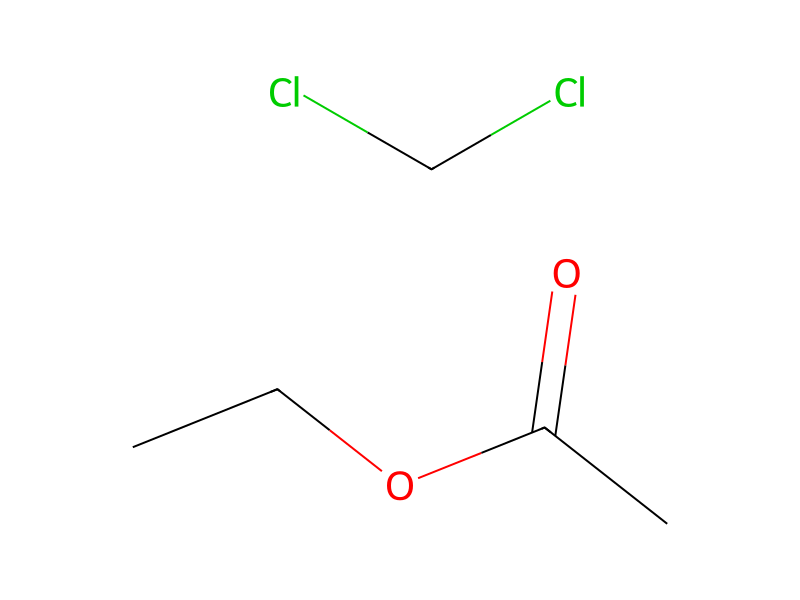
[NH:1]1[C:9]2[CH2:8][CH2:7][CH2:6][C:5](=[O:10])[C:4]=2[CH:3]=[CH:2]1.[OH-].[Na+].Cl[CH2:14][CH2:15][N:16]1[CH2:21][CH2:20][N:19]([C:22]2[CH:27]=[CH:26][C:25]([Cl:28])=[C:24]([Cl:29])[CH:23]=2)[CH2:18][CH2:17]1.C(OCC)(=O)C.ClCCl>CS(C)=O>[Cl:29][C:24]1[CH:23]=[C:22]([N:19]2[CH2:18][CH2:17][N:16]([CH2:15][CH2:14][N:1]3[C:9]4[CH2:8][CH2:7][CH2:6][C:5](=[O:10])[C:4]=4[CH:3]=[CH:2]3)[CH2:21][CH2:20]2)[CH:27]=[CH:26][C:25]=1[Cl:28]To a solution of 1,5,6,7-tetrahyroindol-4-one (107 mg) in DMSO (2 mL) was added powdered sodium hydroxide (33 mg) and the mixture was stirred at ambient temperature for 0.5 hours. 1-(2-Chloroethyl)-4-(3,4-dichlorophenyl)piperazine (220 mg) from step 1 was then added as a solution in DMSO (2 mL) and the resulting mixture stirred at ambient temperature for 24 hours then heated to approximately 60° C. for 2 hours, after which time thin layer chromatography (TLC) (ethyl acetate:dichloromethane 1:1) showed complete reaction. The reaction was poured into ice cold water (15 mL) and stirred for 0.5 hours. A solid mass formed and was separated by decanting the water. The aqueous layer was extracted with dichloromethane (10 mL). The solid mass was dissolved with dichloromethane (5 mL) and the combined organics were dried with sodium sulfate and the solvent removed under vacuum to obtain an oil (250 mg) as the titled compound.