StartseiteMCPWorkbenchSkills
StartseiteWorkbenchBenachrichtigungenMein Bereich
llms.txt · MCP-AnleitungDatenschutz · Nutzungsbedingungen · Supportv1.8.3
  1. Startseite
  2. /Reaktion

Pyridine → (3-tert-Butyl-isoxazol-5-yl)-carbamic acid 4-nitrophenyl ester

HRID 1715656
Drucken

Reaktionsgleichung

Reaktionsgleichung von HRID 1715656
[C:1]([C:5]1[CH:9]=[C:8]([NH2:10])[O:7][N:6]=1)([CH3:4])([CH3:3])[CH3:2].N1C=CC=CC=1.Cl[C:18]([O:20][C:21]1[CH:26]=[CH:25][C:24]([N+:27]([O-:29])=[O:28])=[CH:23][CH:22]=1)=[O:19]>ClCCl>[N+:27]([C:24]1[CH:23]=[CH:22][C:21]([O:20][C:18](=[O:19])[NH:10][C:8]2[O:7][N:6]=[C:5]([C:1]([CH3:4])([CH3:3])[CH3:2])[CH:9]=2)=[CH:26][CH:25]=1)([O-:29])=[O:28]
KomponentenVersuchsvorschriftAufarbeitungQuellen und NachweiseNotizen zur Reaktion

Komponenten

5

Edukt 3

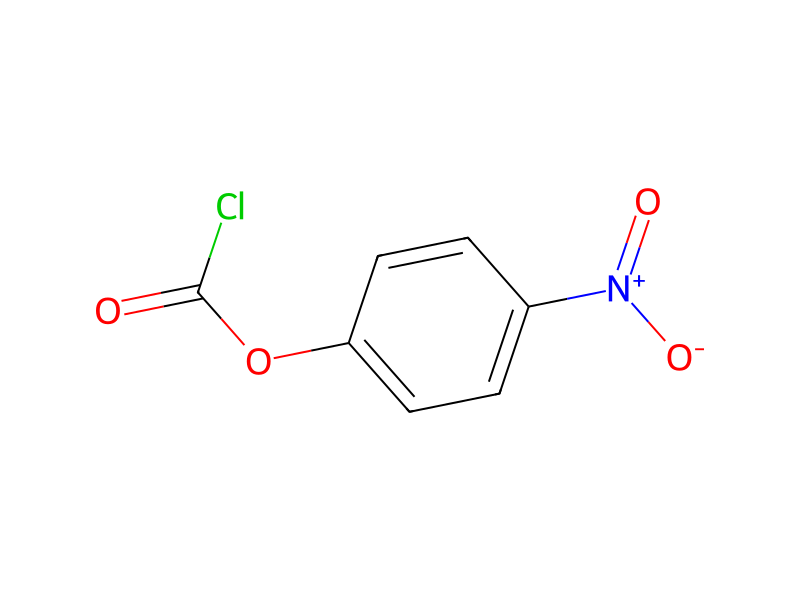
HCID 1049PyridineHCID 821294-Nitrophenyl chloroformateHCID 20956943-Tert-butyl-1,2-oxazol-5-amine

Produkt 1

HCID 67408902(3-tert-Butyl-isoxazol-5-yl)-carbamic acid 4-nitrophenyl esterAusbeute 41 %

Reagenzien, Katalysatoren, Lösungsmittel 1

HCID 6344DichloromethaneLösungsmittel

Versuchsvorschrift

A solution of 3-tert-butyl-isoxazol-5-ylamine (2.50 g, 17.83 mmol) in dichloromethane was treated with pyridine (2 mL, 26.7 mmol) followed by p-nitrophenyl chloroformate (3.77 g, 18.73 mmol). The mixture was stirred at room temperature for 2 hours. The reaction mixture was washed with 1N HCl, filtered, and concentrated under reduced pressure. The residue was triturated with ether and collected by filtration to afford 2.2 g of product (41% yield).

Aufarbeitung

  1. washThe reaction mixture was washed with 1N HCl
  2. filtrationfiltered
  3. concentrationconcentrated under reduced pressure
  4. customThe residue was triturated with ether
  5. filtrationcollected by filtration

Quellen und Nachweise

ORD-Eintrag
ord-4f65a9621d214a87b72b027004c9e7ed
Quelldatensatz
uspto-grants-2010_09
DOI
10.6084/m9.figshare.5104873.v1
Patentnummer
US07799782B2

Notizen zur Reaktion

Auf dieser SeiteKomponentenVersuchsvorschriftAufarbeitungQuellen und NachweiseNotizen zur Reaktion