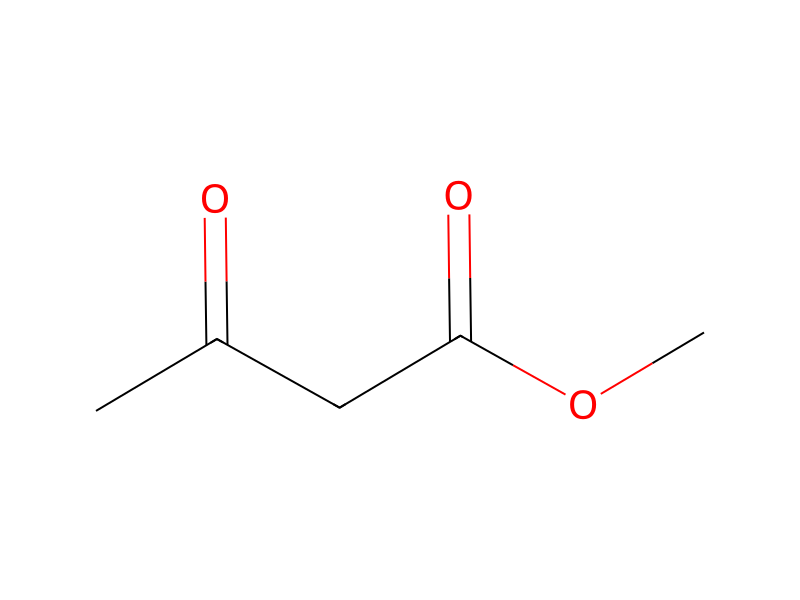
[N:1]([C:4]1[CH:14]=[CH:13][C:7]([C:8]([NH:10][CH2:11][CH3:12])=[O:9])=[CH:6][C:5]=1[OH:15])=[N+:2]=[N-:3].O=[C:17]([CH3:23])[CH2:18][C:19]([O:21]C)=[O:20].[O-]CC.[Na+].[OH-].[Na+]>C(O)C>[CH2:11]([NH:10][C:8]([C:7]1[CH:13]=[CH:14][C:4]([N:1]2[C:17]([CH3:23])=[C:18]([C:19]([OH:21])=[O:20])[N:3]=[N:2]2)=[C:5]([OH:15])[CH:6]=1)=[O:9])[CH3:12]To a solution of 4-azido-N-ethyl-3-hydroxybenzamide (0.41 g) obtained in Example 133b) and methyl 3-oxobutanoate (0.27 ml) in ethanol (10 ml) was added 28% sodium ethoxide in ethanol solution (1.0 ml) at room temperature, and the mixture was stirred overnight and at 60° C. for 9 hr. After allowing to cool to room temperature, 1N aqueous sodium hydroxide solution (4.0 ml) was added to the reaction mixture and the mixture was stirred at room temperature overnight. The solvent was evaporated under reduced pressure, and the obtained residue was diluted with water. The obtained aqueous solution was washed with ethyl acetate, acidified with 1N hydrochloric acid, and the mixture was extracted with ethyl acetate. The organic layer was dried over anhydrous sodium sulfate, and the solvent was evaporated under reduced pressure to give a crude product of the title compound as a brown solid (0.32 g, 55%). The obtained crude product was used for the next reaction without further purification.