Hydrazine → HCID 59656442, Verbindung
HRID 1726509
Reaktionsgleichung

[CH:1]1([NH:7][S:8]([C:11]2[C:20]3[C:15](=[CH:16][CH:17]=[CH:18][CH:19]=3)[C:14]([CH2:21][N:22]3C(=O)C4C(=CC=CC=4)C3=O)=[CH:13][CH:12]=2)(=[O:10])=[O:9])[CH2:6][CH2:5][CH2:4][CH2:3][CH2:2]1.NN>CO>[CH:1]1([NH:7][S:8]([C:11]2[C:20]3[C:15](=[CH:16][CH:17]=[CH:18][CH:19]=3)[C:14]([CH2:21][NH2:22])=[CH:13][CH:12]=2)(=[O:10])=[O:9])[CH2:2][CH2:3][CH2:4][CH2:5][CH2:6]1Komponenten
4
Edukt 2
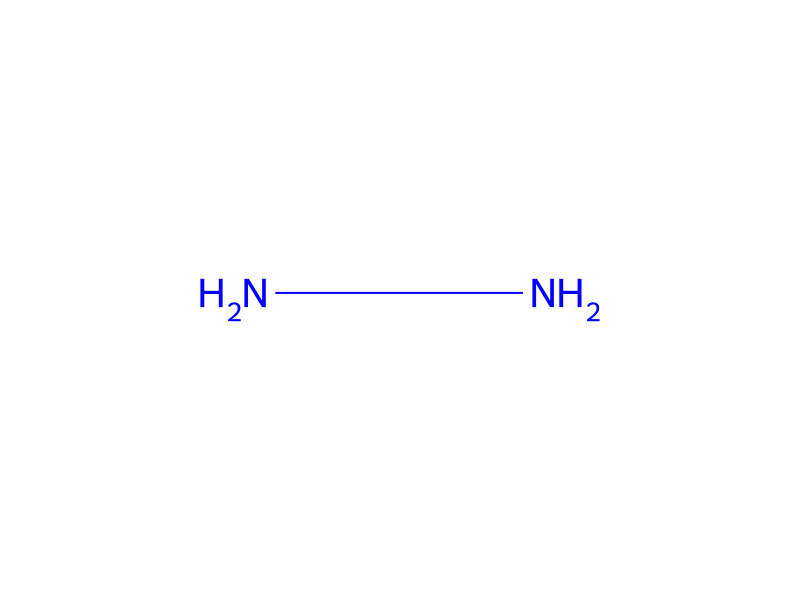

Produkt 1

Reagenzien, Katalysatoren, Lösungsmittel 1

Versuchsvorschrift
To a solution of 4-(1,3-dioxo-1,3-dihydro-isoindol-2-ylmethyl)-naphthalene-1-sulfonic acid cyclohexylamide (G-4) (1.6 g, 3.57 mmol) in methanol (30 mL) was added hydrazine (2 mL). The resultant solution was stirred at room temperature overnight. A precipitate was formed and filtered. The solid was further washed with small amount of methanol. The filtrate was collected and solvent was removed in vacuo. Flash chromatography of the residue with Flash column (MeOH/CH2Cl2: 5-10%) gave the title compound (42) as white solid (0.7 g). 1H NMR (300 MHz, DMSO) δ 8.68 (d, 1H), 8.24 (d, 1H), 8.13 (d, 1H), 7.60 (m, 3H), 5.00 (s, 1H), 4.39 (s, 2H), 3.10 (s, 1H), 2.03 (m, 2H), 1.59 (m, 4H), 1.08 (m, 4H); LC/MS m/z 319 (M+H)+.