Potassium Carbonate → HCID 57565950, Verbindung
Reaktionsgleichung

[Cl:1][C:2]1[CH:3]=[CH:4][C:5]([OH:10])=[C:6]([CH:9]=1)[CH:7]=[O:8].Br[CH2:12][CH2:13][O:14][C:15](=[O:17])[CH3:16].C([O-])([O-])=O.[K+].[K+]>CN(C=O)C>[Cl:1][C:2]1[CH:3]=[CH:4][C:5]([O:10][CH2:12][CH2:13][O:14][C:15](=[O:17])[CH3:16])=[C:6]([CH:7]=[O:8])[CH:9]=1Komponenten
5
Edukt 3

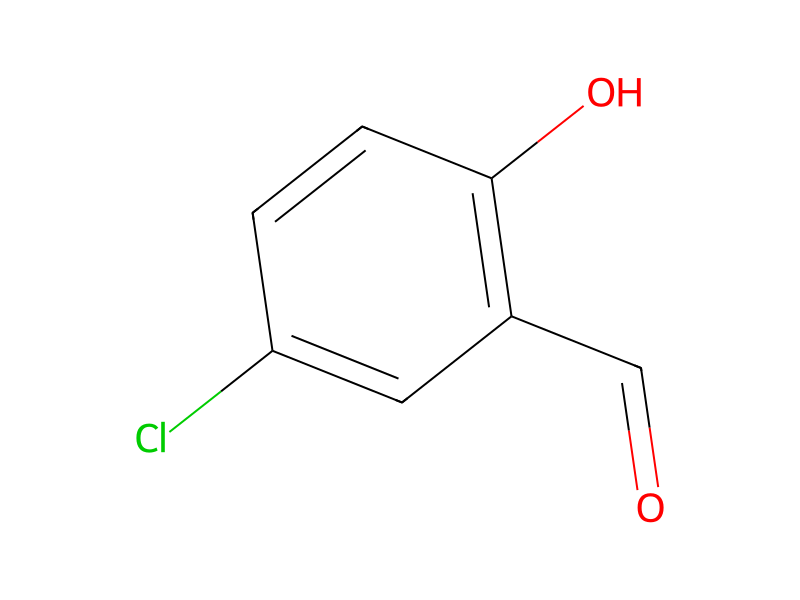

Produkt 1

Reagenzien, Katalysatoren, Lösungsmittel 1

Versuchsvorschrift
5-Chloro-2-hydroxy-benzaldehyde (2 g, 12.8 mmol), acetic acid 2-bromo-ethyl ester (2.57 g, 15.4 mmol), K2CO3 (5.3 g, 38.5 mmol) and KI (0.26 g, 1.54 mmol) were mixed in DMF (20 mL). Then the reaction tube was placed into the cavity of a focused monomode microwave reactor and the contents of the flask were irradiated at 130° C. for 30 min. The mixture was filtered and the filtrate was concentrated. The residue was dissolved in CH2Cl2 and the organic layer was washed with water for several times. Then the organic layer was dried over anhydrous Na2SO4 and concentrated to obtain a yellow solid. (2.7 g)