StartseiteMCPWorkbenchSkills
StartseiteWorkbenchBenachrichtigungenMein Bereich
llms.txt · MCP-AnleitungDatenschutz · Nutzungsbedingungen · Supportv1.8.3
  1. Startseite
  2. /Reaktion

Potassium Carbonate → 5-Chloro-2-(2,2,2-trifluoroethoxy)benzaldehyde

HRID 1728196
Drucken

Reaktionsgleichung

Reaktionsgleichung von HRID 1728196
[Cl:1][C:2]1[CH:3]=[CH:4][C:5]([OH:10])=[C:6]([CH:9]=1)[CH:7]=[O:8].[F:11][C:12]([F:16])([F:15])[CH2:13]I.C([O-])([O-])=O.[K+].[K+]>CN(C=O)C>[Cl:1][C:2]1[CH:3]=[CH:4][C:5]([O:10][CH2:13][C:12]([F:16])([F:15])[F:11])=[C:6]([CH:9]=1)[CH:7]=[O:8]
KomponentenVersuchsvorschriftAufarbeitungQuellen und NachweiseNotizen zur Reaktion

Komponenten

5

Edukt 3

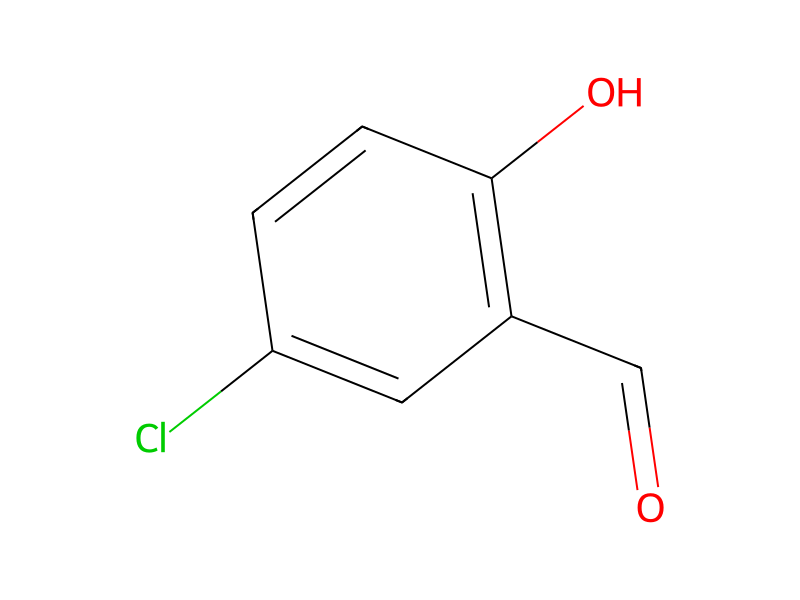
HCID 11430Potassium CarbonateHCID 124815-Chloro-salicylaldehydeHCID 677091,1,1-Trifluoro-2-iodoethane

Produkt 1

HCID 47709505-Chloro-2-(2,2,2-trifluoroethoxy)benzaldehydeAusbeute 838,3 %

Reagenzien, Katalysatoren, Lösungsmittel 1

HCID 6228DimethylformamideLösungsmittel

Versuchsvorschrift

5-Chloro-2-hydroxy-benzaldehyde (3.1 g, 2 mmol), 1,1,1-trifluoro-2-iodo-ethane (2.4 mL, 24 mmol), K2CO3 (5.5 g, 40 mmol) and KI (0.1 g) were mixed in DMF (20 mL). Then the mixture was irradiated under microwave at 180° C. for 1 h. The mixture was filtered and the filtrate was concentrated. The residue was dissolved in ethyl acetate and washed with 1N NaOH. Then the organic layer was separated, dried over anhydrous Na2SO4 and concentrated to give title compound as a yellow solid (Yield: 4 g).

Aufarbeitung

  1. customThen the mixture was irradiated under microwave at 180° C. for 1 h
  2. filtrationThe mixture was filtered
  3. concentrationthe filtrate was concentrated
  4. dissolutionThe residue was dissolved in ethyl acetate
  5. washwashed with 1N NaOH
  6. customThen the organic layer was separated
  7. dry with materialdried over anhydrous Na2SO4
  8. concentrationconcentrated

Quellen und Nachweise

ORD-Eintrag
ord-07a8f31170b8417182be68635644ed4b
Quelldatensatz
uspto-grants-2009_02
DOI
10.6084/m9.figshare.5104873.v1
Patentnummer
US07495007B2

Notizen zur Reaktion

Auf dieser SeiteKomponentenVersuchsvorschriftAufarbeitungQuellen und NachweiseNotizen zur Reaktion