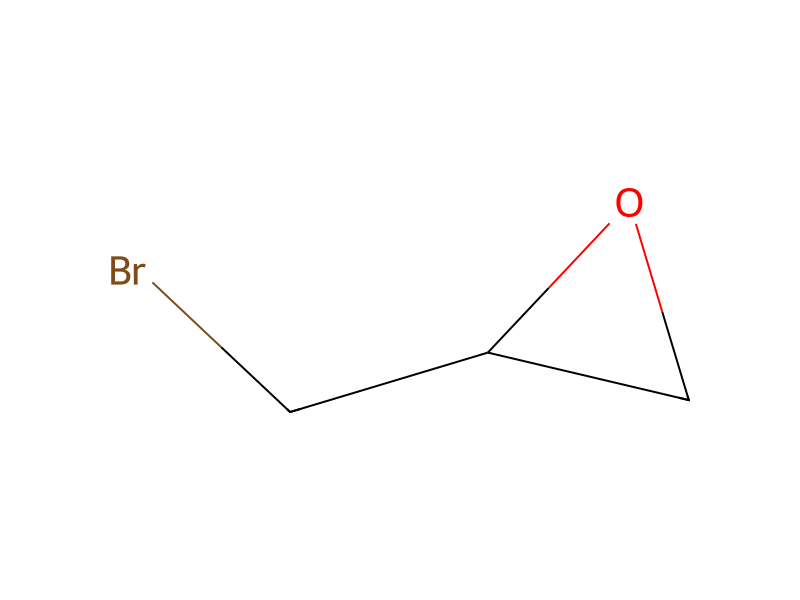
[OH:1][C:2]1[CH:7]=[CH:6][CH:5]=[CH:4][C:3]=1[C:8]1[NH:9][CH:10]=[CH:11][CH:12]=1.[CH2:13]([CH:15]1[O:17][CH2:16]1)Br.C(=O)([O-])[O-].[K+].[K+]>CC(C)=O>[O:17]1[CH2:16][CH:15]1[CH2:13][O:1][C:2]1[CH:7]=[CH:6][CH:5]=[CH:4][C:3]=1[C:8]1[NH:9][CH:10]=[CH:11][CH:12]=17.0 g of 2-(hydroxyphenyl)-pyrrole, 7.3 g of epibromohydrin and 11.4 g of dry potassium carbonate in 50 ml of acetone are refluxed for 7 hours. After the mixture has cooled, it is filtered and the filter residue is washed with acetone. The combined filtrates and freed from solvent by distilling off the latter. The residue is twice chromatographed on silica gel, using methylene chloride as the eluant, and thereby gives 4.6 g (48% of theory) of 2-[2- (2,3-epoxypropoxy)-phenyl]-pyrrole as a colorless oil.