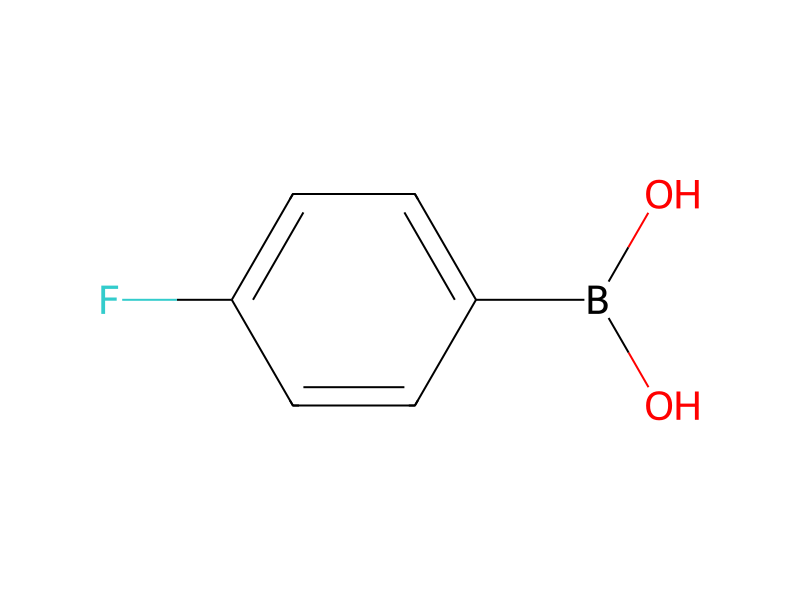
To a solution of 5-bromo-6-methyl-1H-indazole (2.89 g, 13.69 mmol,) in DCM (137 mL) was added 4-fluorophenylboronic acid (3.83 g, 27.4 mmol), diacetoxycopper (2.48 g, 13.7 mmol), pyridine (2.2 mL, 27.4 mmol) and 4 Å molecular sieves. The reaction was stirred open to air for about 4 h. The reaction mixture was filtered through a pad of Celite® rinsing with EtOAc (80 mL) and then concentrated to about (60 mL) under reduced pressure. Water was added (40 mL) and the layers were separated. The aqueous layer was back extracted with EtOAc (20 mL). The combined organic layers were dried over MgSO4, filtered and concentrated under reduced pressure. The resulting residue was purified by column chromatography (SiO2, EtOAc/heptane 100:0 to 0:20) to afford 5-bromo-1-(4-fluorophenyl)-6-methyl-1H-indazole (2.68 g, 8.78 mmol, 64%). LC-MS (Table 1, Method g) Rt=2.75 min, m/z 305, 307 (M+H)+. 1H NMR (CDCl3) δ 8.07 (s, 1H), 7.98 (s, 1H), 7.69-7.59 (m, 2H), 7.52 (s, 1H), 7.28-7.18 (m, 2H), 2.53 (s, 3H).