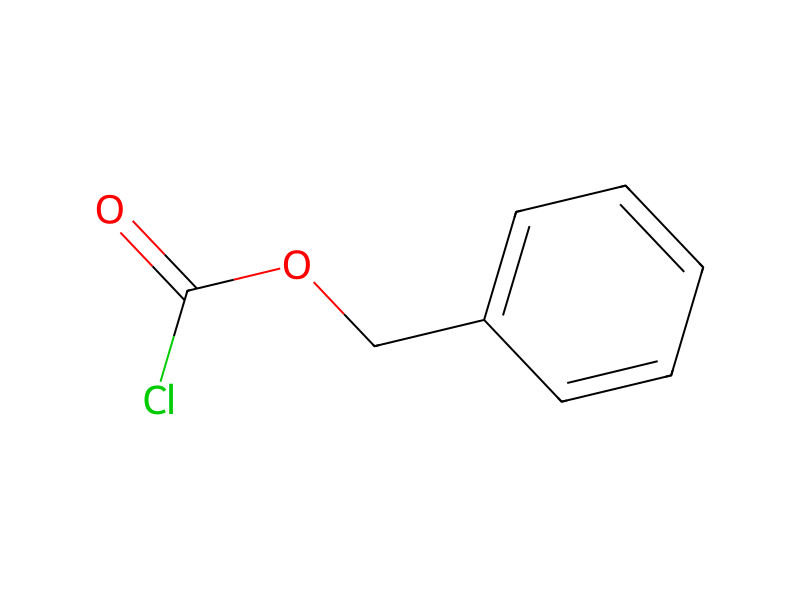
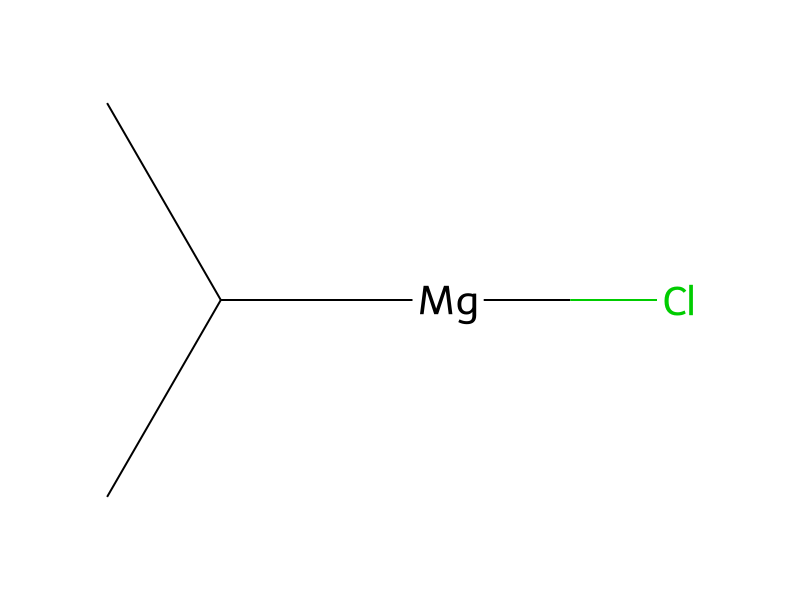
To a −30° C. solution of 1-bromo-2,3-dichlorobenzene (10 g, 44 mmol) in THF (120 mL) was added i-PrMgCl (2.0 M in THF, 35 mL, 70 mmol) at a rate such that the temperature <−20° C. Meanwhile, to a −10° C. solution of CuI (420 mg, 2.2 mmol) in THF (120 mL) was added pyridine (7.1 mL, 88 mmol) and then benzyl carbonochloridate (9.7 mL, 68 mmol) such that the temperature <0° C. To this heterogeneous mixture was added the initially formed Grignard at a rate such that the temperature <0° C. The resulting solution was stirred at 0° C. for 30 min and then allowed to warm to rt. The reaction was then quenched with 10% aq NH4Cl. EtOAc was added and the blue aq layer was removed. The organic layer was washed with 10% aq NH4Cl, 1 N HCl, and a 20% aq NaCl solution. The organic layer was then concentrated and the residue was dissolved and crystallized from MeOH. The slurry was filtered and the filtercake washed with MeOH to give benzyl 4-(2,3-dichlorophenyl)pyridine-1(4H)-carboxylate (intermediate 45) (12 g, 76%) as an off-white solid. HPLC: 99%, RT 4.118 min. MS (ESI) m/z 382.0 [M+Na]+. mp: 69-70° C.