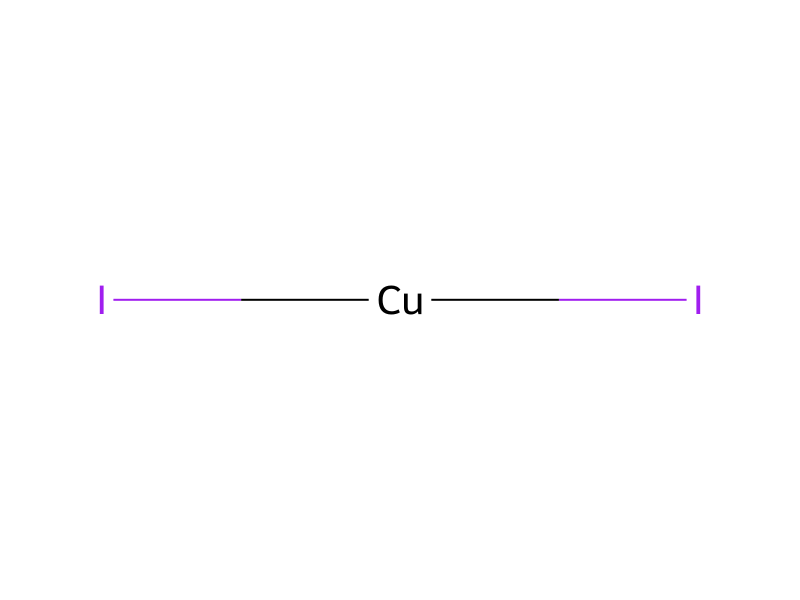
I[C:2]1[CH:7]=[CH:6][C:5]([Br:8])=[CH:4][N:3]=1.C([C:11](CC)([C:15]([O-:17])=[O:16])[C:12]([O-:14])=[O:13])C.C(=O)([O-])[O-].[Cs+].[Cs+].N1C=CC=[CH:28][C:27]=1C(O)=O.O1CCO[CH2:37][CH2:36]1>[Cu](I)I>[CH2:27]([O:17][C:15](=[O:16])[CH:11]([C:2]1[CH:7]=[CH:6][C:5]([Br:8])=[CH:4][N:3]=1)[C:12]([O:14][CH2:36][CH3:37])=[O:13])[CH3:28]To a suspension of 2-iodo-5-bromopyridine (2.0 g, 7.06 mmol), diethylmalonate (2.12 mL, 14.12 mmol) and cesium carbonate (6.88 g, 21.18 mmol) in dioxane (20 mL) was added copper iodide (268 mg, 1.41 mmol) followed by picolinic acid (346 mg, 2.82 mmol) and the reaction was heated to 80° C. for 16 hours. The reaction was cooled, filtered and the filtrate was concentrated in vacuo. The residue was diluted with EtOAc, washed with water, brine, dried over sodium sulphate and concentrated in vacuo. The residue was purified using silica gel column chromatography eluting with 2% EtOAc in hexanes to afford the title compound that was used directly in the next reaction.