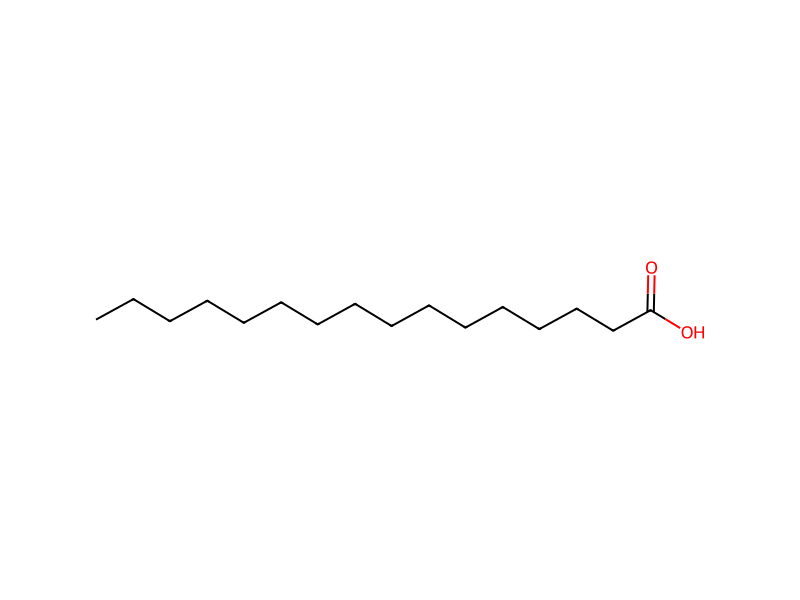
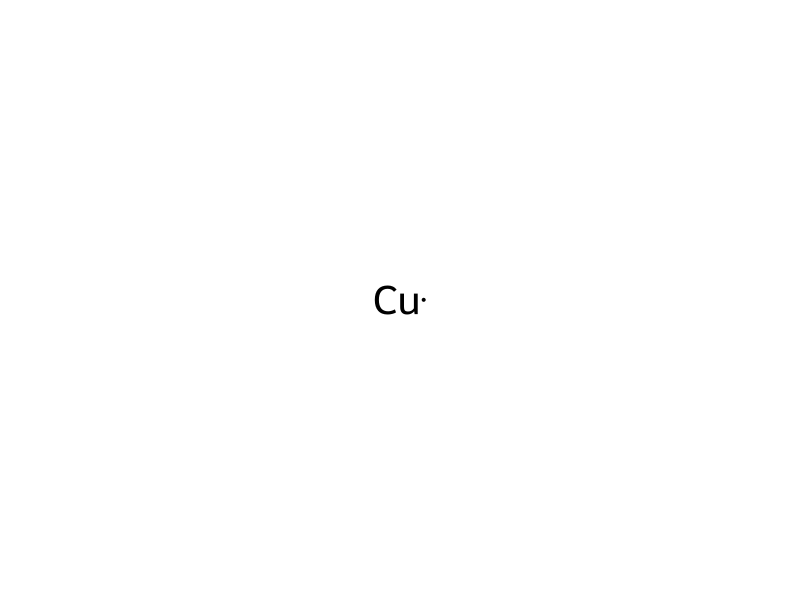
Palmitic Acid → Copper dipalmitate
HRID 1757019
Reaktionsgleichung

[C:1]([OH:18])(=[O:17])[CH2:2][CH2:3][CH2:4][CH2:5][CH2:6][CH2:7][CH2:8][CH2:9][CH2:10][CH2:11][CH2:12][CH2:13][CH2:14][CH2:15][CH3:16].[Cu:19]>O.[Cl-].C([N+](CC)(CC)CC)C.CO>[C:1]([O-:18])(=[O:17])[CH2:2][CH2:3][CH2:4][CH2:5][CH2:6][CH2:7][CH2:8][CH2:9][CH2:10][CH2:11][CH2:12][CH2:13][CH2:14][CH2:15][CH3:16].[Cu+2:19].[C:1]([O-:18])(=[O:17])[CH2:2][CH2:3][CH2:4][CH2:5][CH2:6][CH2:7][CH2:8][CH2:9][CH2:10][CH2:11][CH2:12][CH2:13][CH2:14][CH2:15][CH3:16]Komponenten
5